

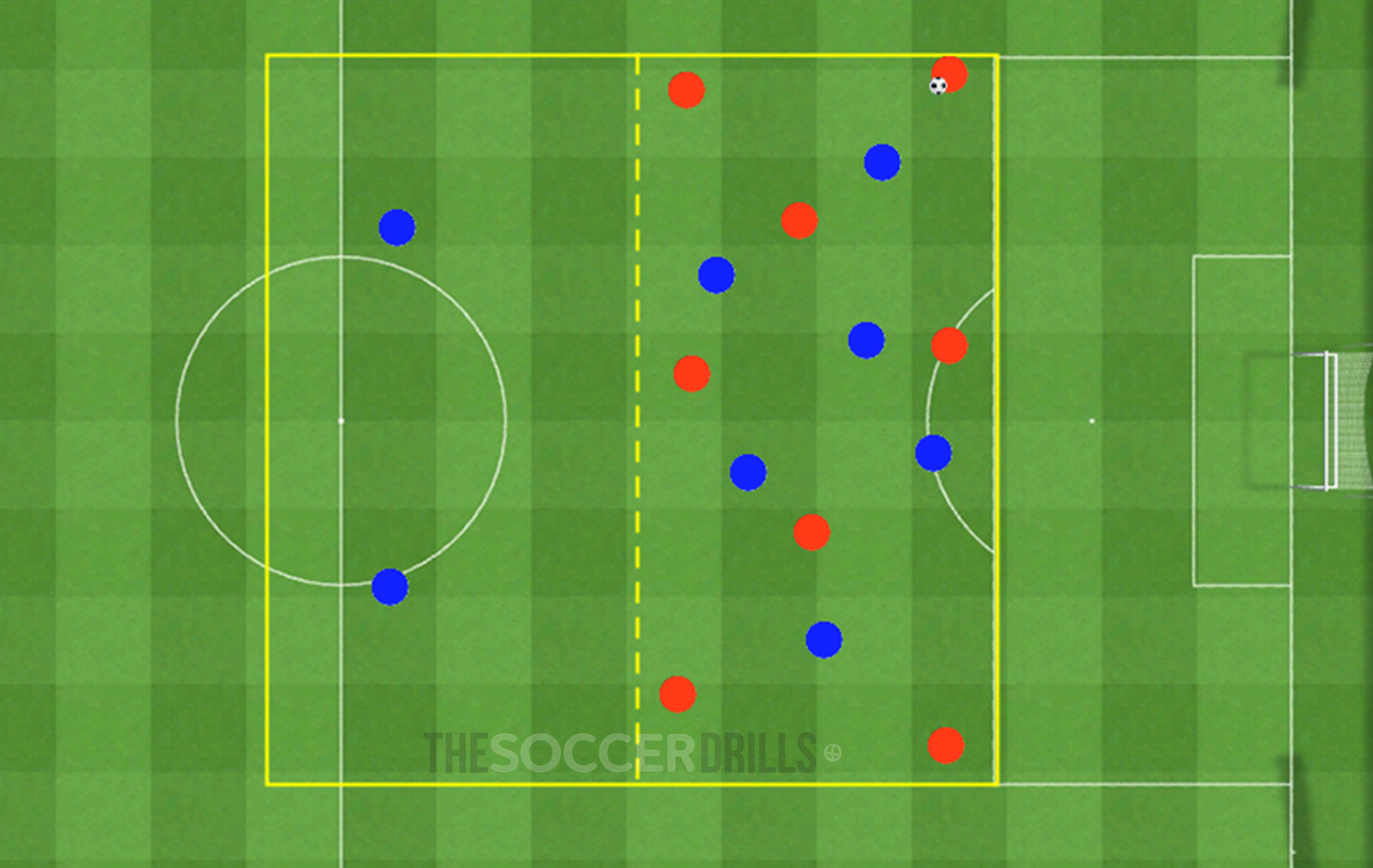
Winning the ball back and play with the players on the rival´s side.
Once the ball is won back, the first option that all the coaches like is to try to move up the field and to try to benefit from the possibility of a defensive imbalance. Let’s practice it.

Double Rondo
In this drill you will work on the change of pace, on passing the ball to attract de rivals and switching the play to the deliberated side and on choosing which the best moment for intercepting the ball is. All of these in a rondo that you can implement in U10 groups and older.
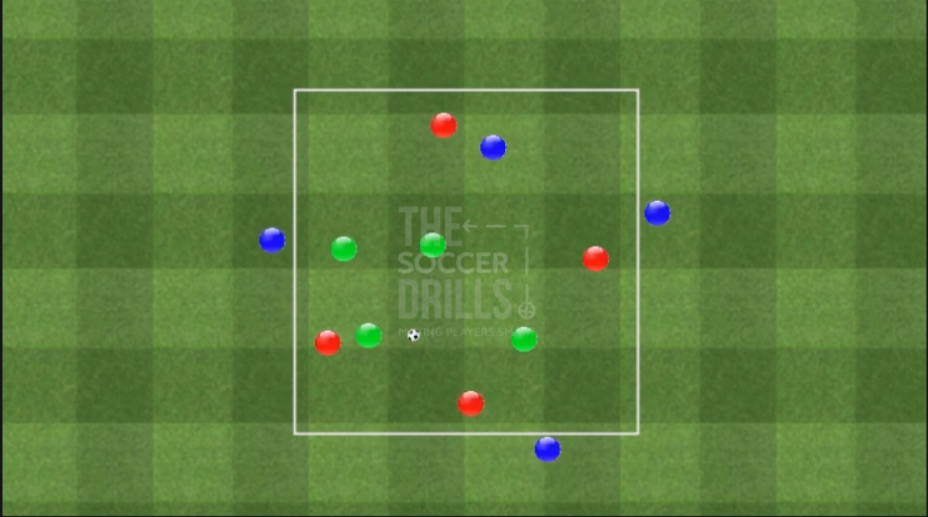
Transitions: Narrow down the spaces
The following situations are basic tactical and repeated situations in the game: The team that loses the ball has to close spaces, the team winning the ball back has to start winning width, opening up the field. You can practice this drill continuously.
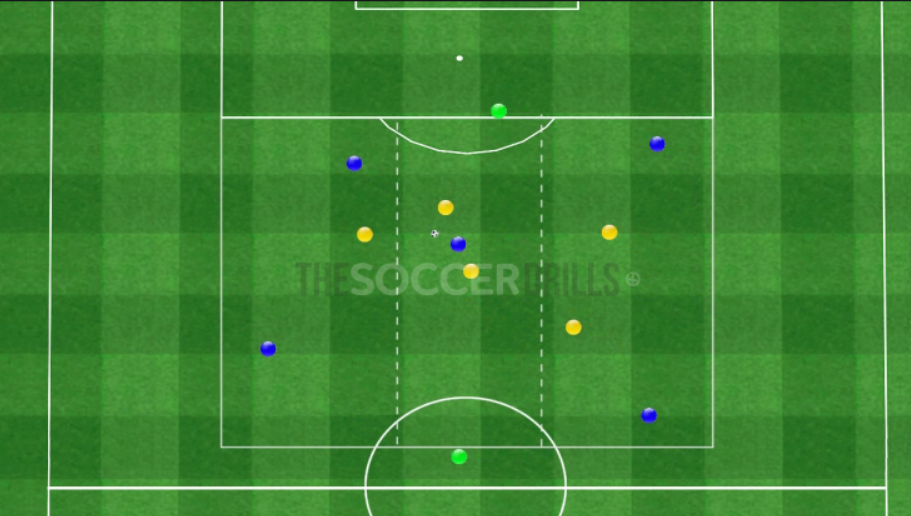
Interior play Positional Attack (FCB)
If you fill up the spaces in a rational way when attacking, then, you will be able to be more prepared to start the pressing when you lose the ball. This is a typical Guardiola drill, who likes the pressing after losing the ball and the positional organized attack.
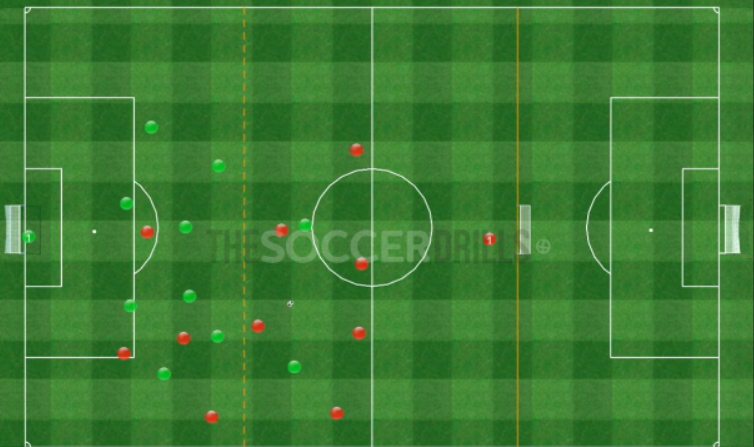
Conditioned Game: High Pressure and Pressure after losing possession Vs Dropping back and Counterattack
To learn how to defend with high pressure and, in the following play, to defend back in shape gives your team a lot of resources that you will need in different moments of the game
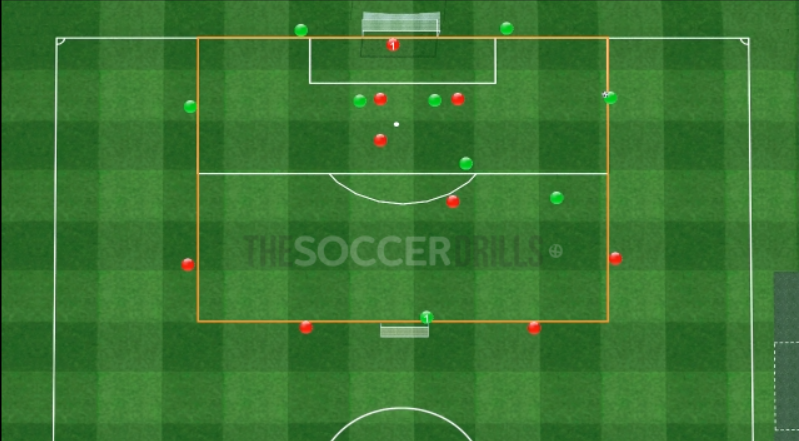
Double Box: Counterattack with players outside the active zone
To connect with players which are the farthest away possible from the ball is a synonymous of a good counter attack. To prevent your rivals of doing it is a synonymous of a good press after losing the ball and an accurate drop back. In this drill your players will improve both the defensive and the offensive transitions. The dimensions will be the double of the box.
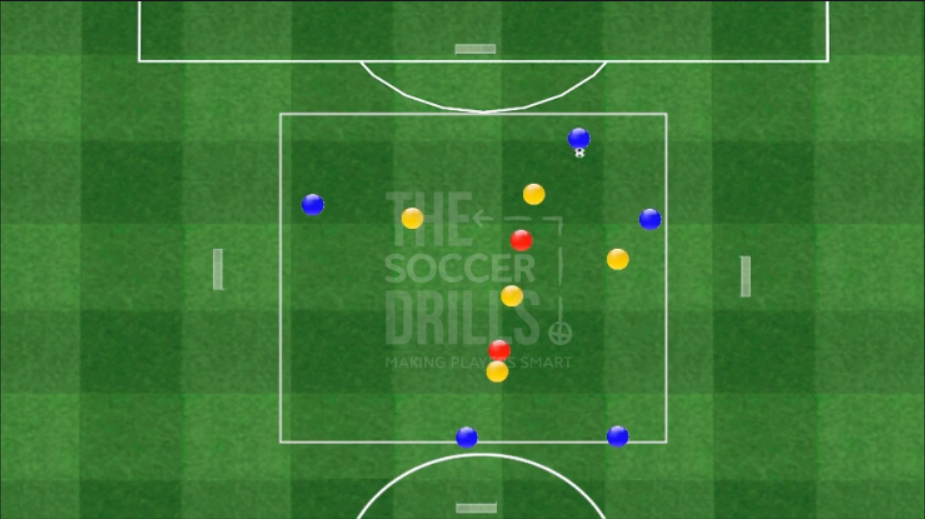
Possession + Finishing
For the team that has won the ball back, is key to give support, to make runs to lose the marker and to look for the free men. For the defenders, the key is to press the player on the ball, to defend the passing lines and to identify the free men.

Attract to switch the play
The creation of spaces is key in the offensive tactic. In this case, we will make the team to come and press us doing short passes in order to play to the deliberated side afterwards. This drill will make the players to give close, intermediate and far supports.
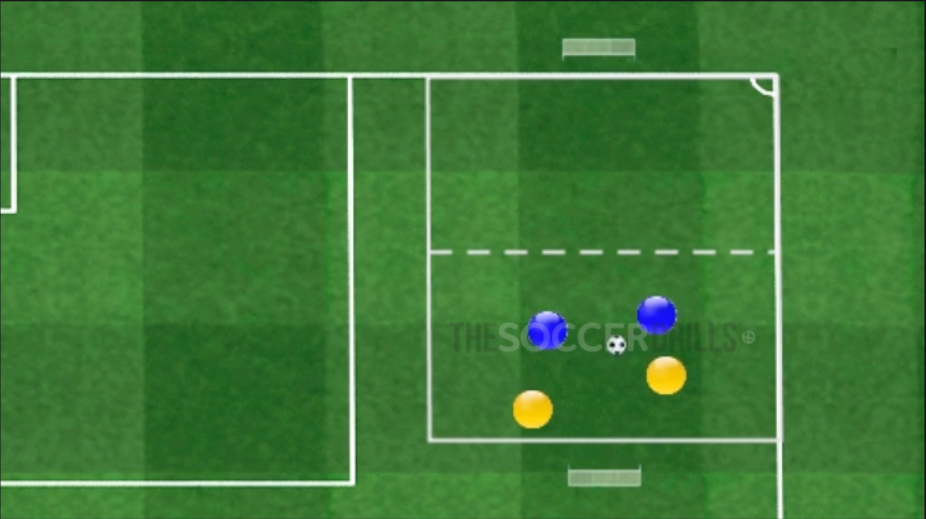
Small Sided Game Pressure after losing possession
Small sided tactical game in which we will give an extra value to two key momentums of the game: When we lose the ball and when we win it back. The transition level of our players will hugely increase.

Conditioned Game: Gives and Goes and changing pace
To play at a different pace depending on the zone of the field where we are at that moment, is a good way for making right decisions and read the game in a right way.