

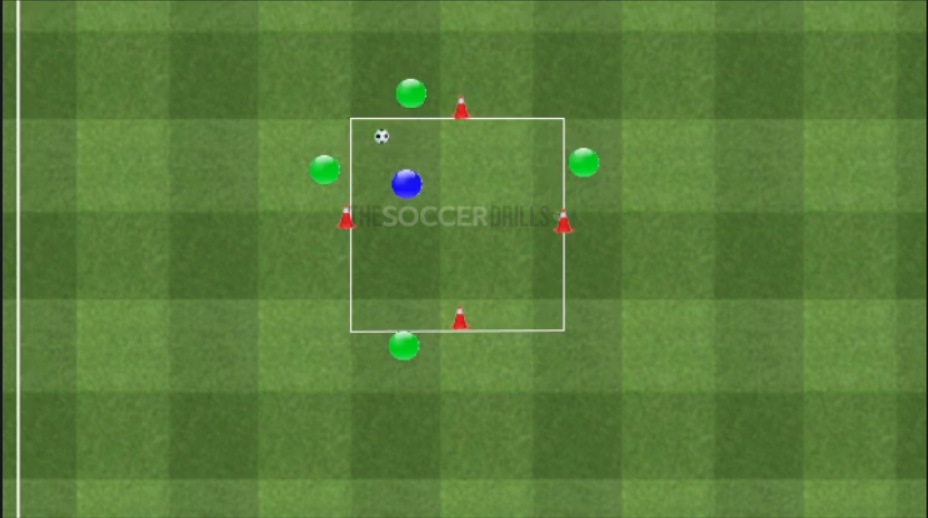
Rondo with it sides divided in half. Unlimited touches
If our players, in an offensive situation, are capable of deciding whether to speed the game up or to delay it, it is one of the keys for a smart offensive football.
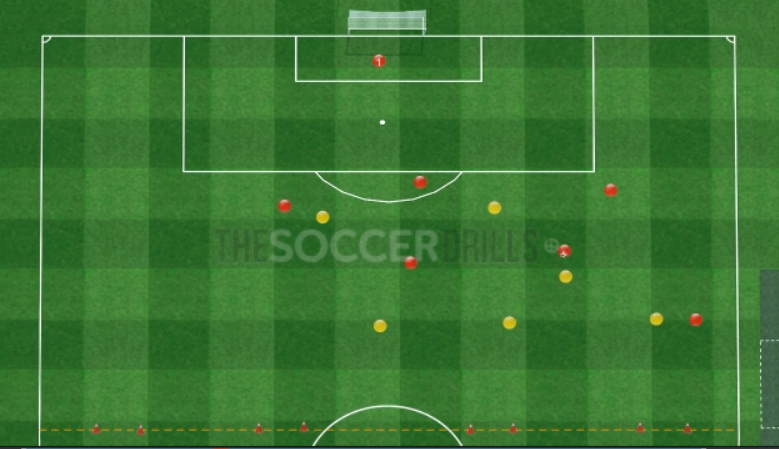
Overcoming High Pressure
To make a right high pressure or a good game building, and practice it in a game oriented similar situation is very possible.
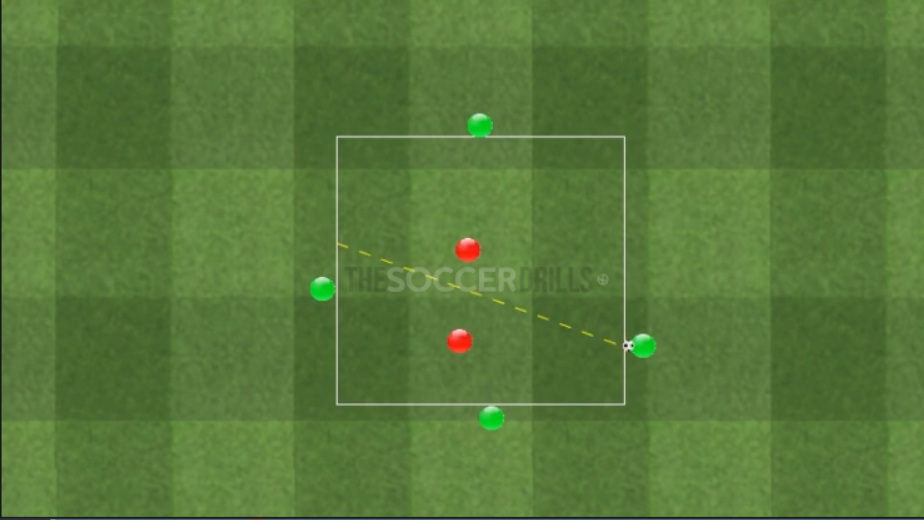
Rondo 4v2 “Pairs”
A tactical rondo in which you are not only going to work on offensive aspects but also on coverages, closing passing lines, interior passing defense, defensive delay and the right choice of the moment for activating the pressing.
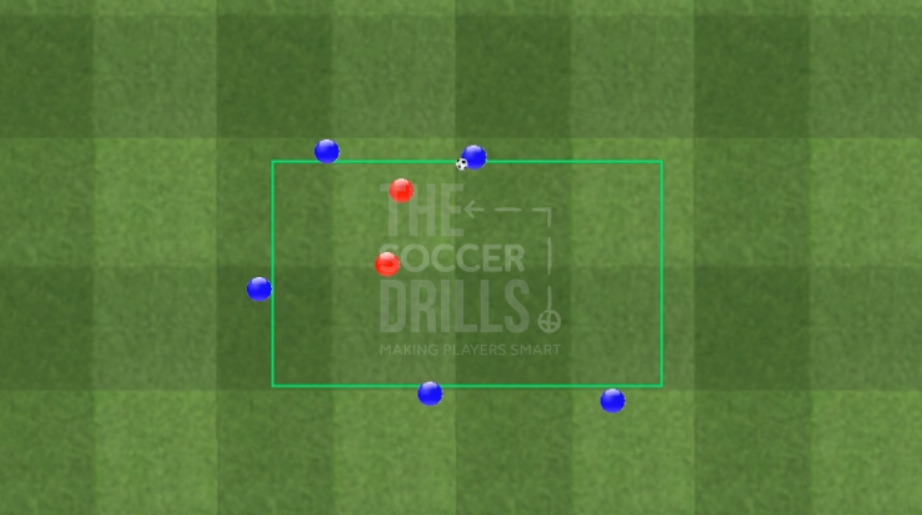
Movable Rondo
Regular tactical rondos have plenty of small and quick decisions but do not have any movement. If, to a regular tactical rondo we include the possibility/need for deciding whether the player has to or does not have to move, it will make our players achieve a higher level at decision making, since they will be considering teammates, rivals, the ball and the free spaces.
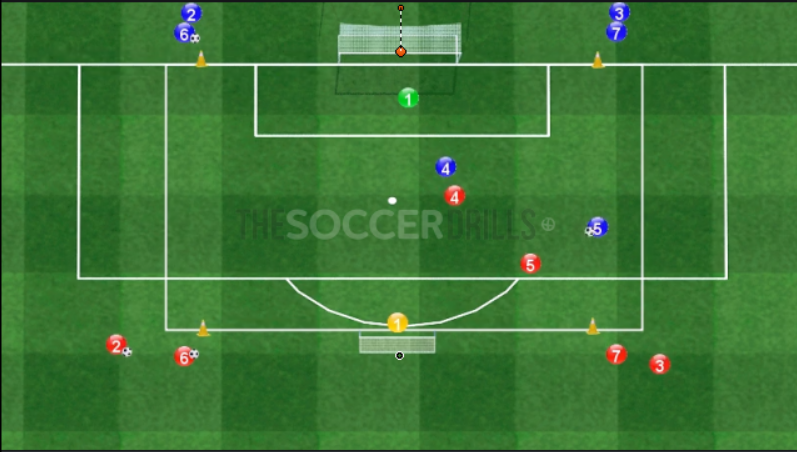
Extreme Transitions 2v2
To attack bearing in mind that we have to be ready to defend is one of the most difficult things to put in your players’ mind. If we do not practice it, they will not internalize it.
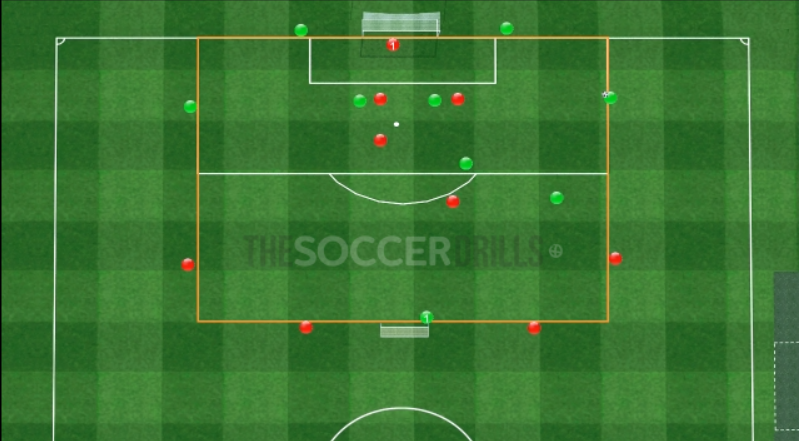
Double Box: Counterattack with players outside the active zone
To connect with players which are the farthest away possible from the ball is a synonymous of a good counter attack. To prevent your rivals of doing it is a synonymous of a good press after losing the ball and an accurate drop back. In this drill your players will improve both the defensive and the offensive transitions. The dimensions will be the double of the box.
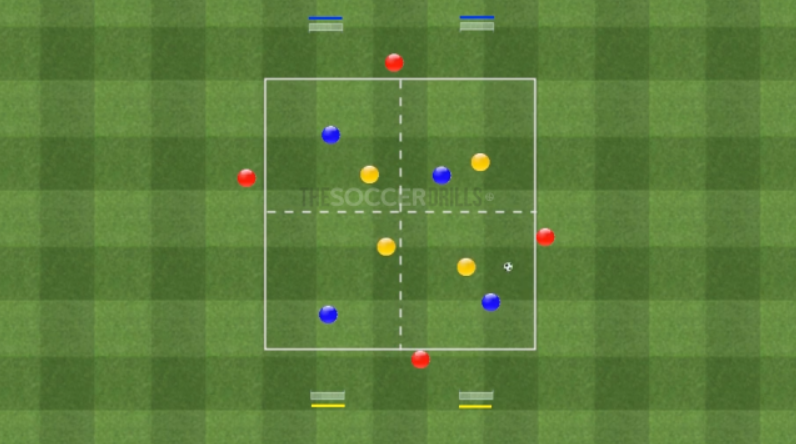
4 Squares – Positional Game – 4 Goals
A tactical polarized drill based on the rational occupancy of the field. This is a good introduction to the position game for different playing systems.
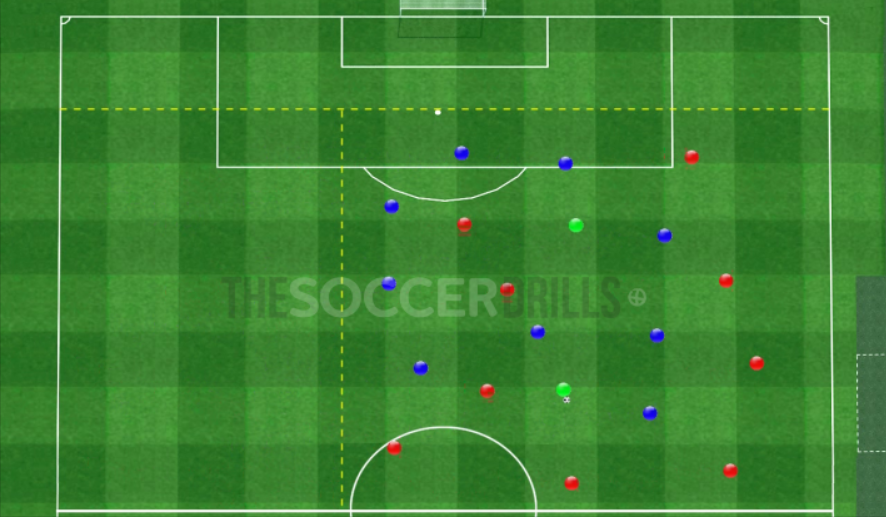
Different Spaces
We will use this tactical drill in order to identify empty spaces and to play not only with the closest players but also with the intermediate and the players farther away. This drill will make your player give the right importance to play easy passes in reduced spaces. In the drill you will practice the decision making when it comes to play quick, to move, to stay and to delay the game.
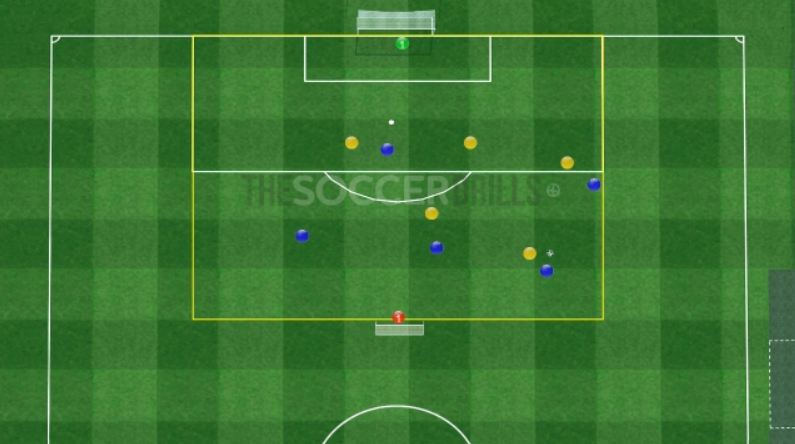
Finishing and Pressure after losing possession
A drill with the double of the box as the dimensions. We will put rules to reward the high press and the press after losing possession. At the same time we will work on how we would be able to overcome these two situations to achieve a good position for finishing.
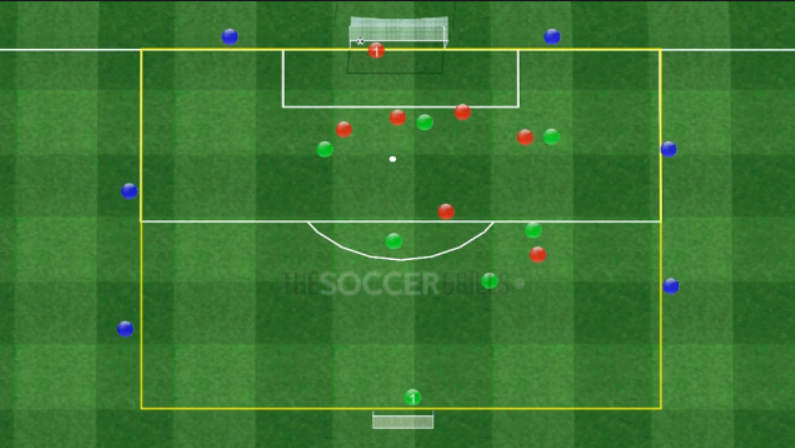
Defensive positioning
To defend in a coordinate way is key for the defensive success. With only a few simple references you will achieve right habits in your players such as defensive balance, a right distance between lines or the coordination to move forward or backwards.