

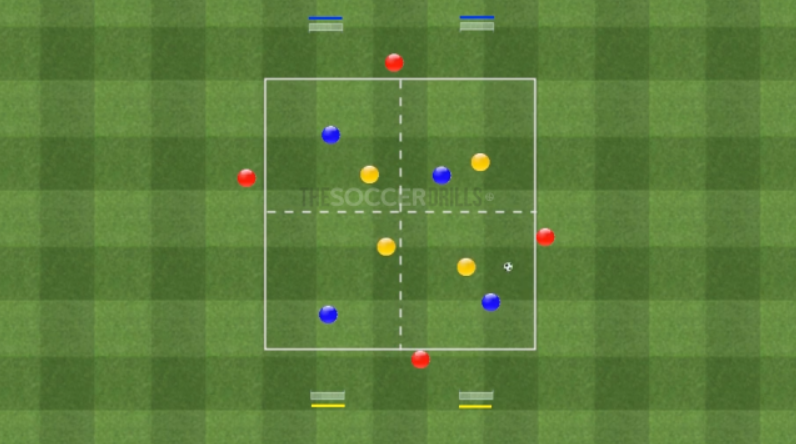
4 Squares – Positional Game – 4 Goals
A tactical polarized drill based on the rational occupancy of the field. This is a good introduction to the position game for different playing systems.
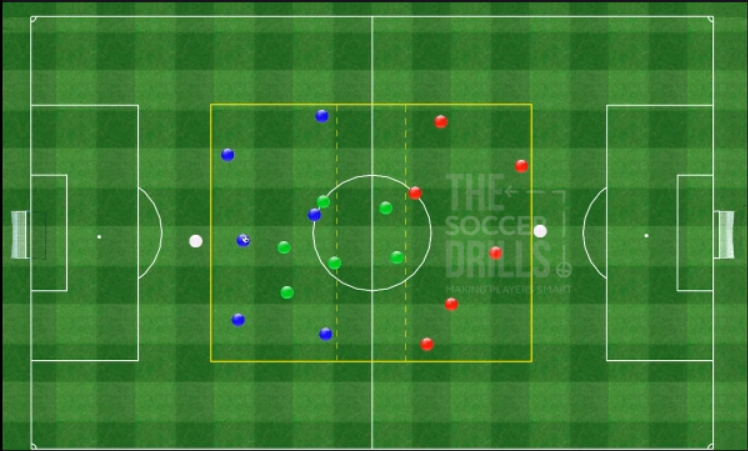
Play pressed and switch zone
To include the goalkeepers in the building drills is key for them to then do it comfortably during the games. In the drill, we will start building the game to then advance in the game overcoming the opposition high press. The defenders practice the high press and to close passing lines.
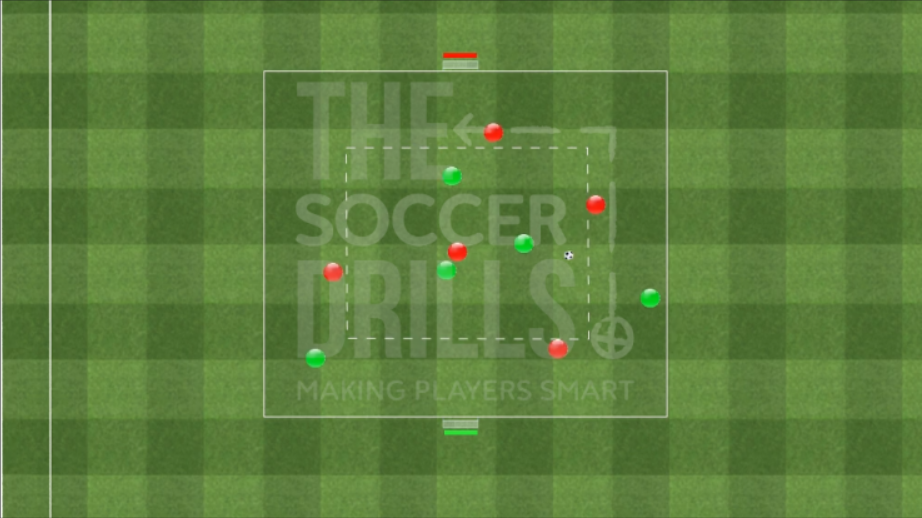
2 goals: Vigilances + Transition
Offensive and defensive vigilances in a polarized drill (with orientation), in which we will be conditioning the game bearing in mind that we will then either lose the ball or win it back. With this, we will rise up the level of the offensive and defensive transition.
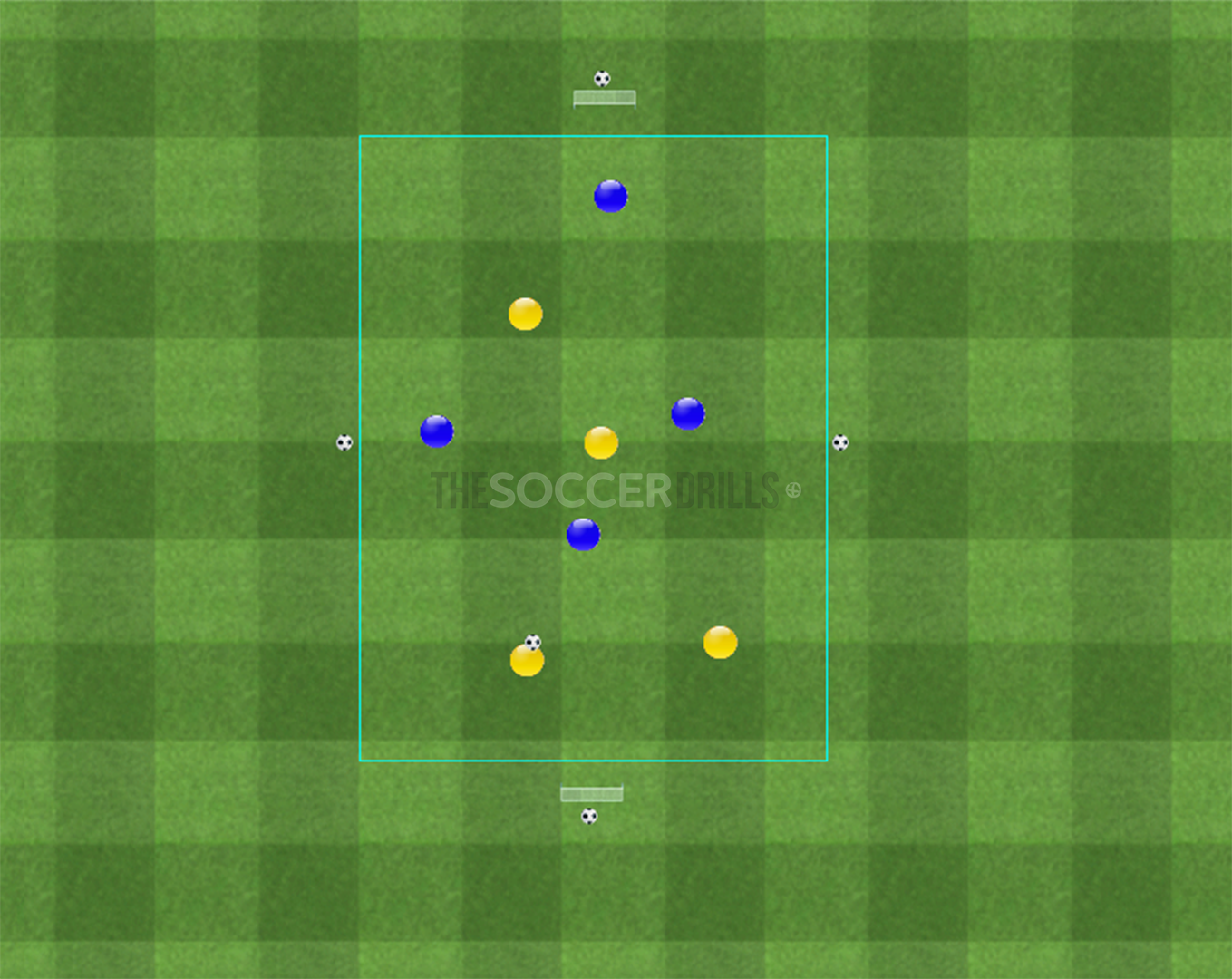
Numerical Superiority/Inferiority (4vs3, 3vs2, 2vs1,…)
To identify superiority and inferiority for a right and quick decision making both offensively and defensively is a really fun drill for all ages.
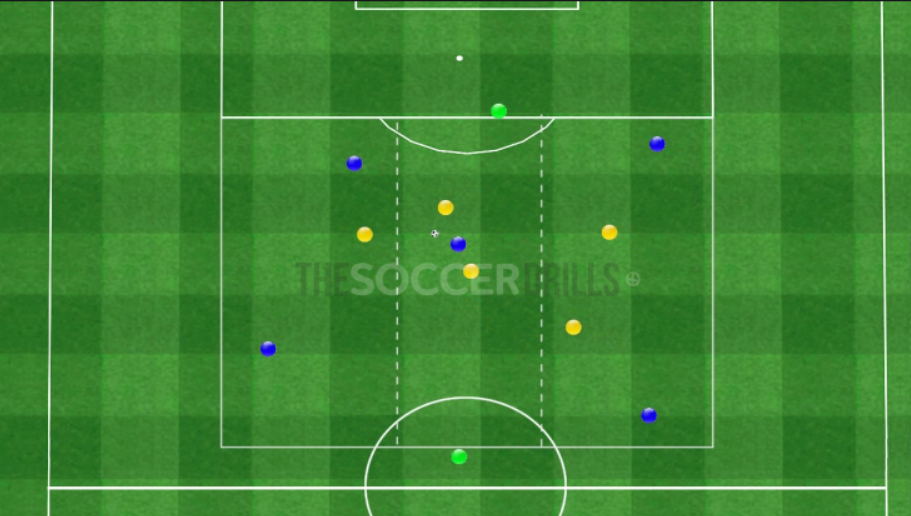
Interior play Positional Attack (FCB)
If you fill up the spaces in a rational way when attacking, then, you will be able to be more prepared to start the pressing when you lose the ball. This is a typical Guardiola drill, who likes the pressing after losing the ball and the positional organized attack.
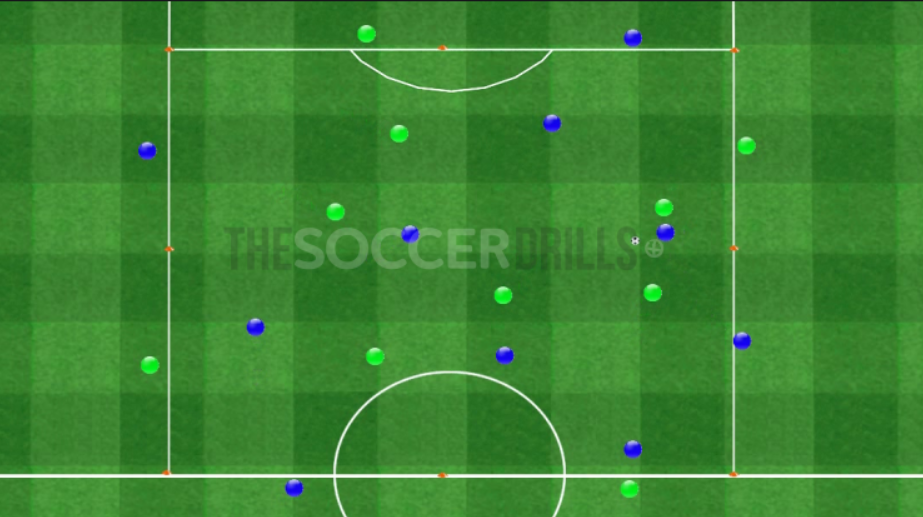
Conditioned Game: Offensive Transition and Stretching
When in an offensive transition, whether to progress quickly or to look for support to start a combinative attack is an important choice that has to be practiced.
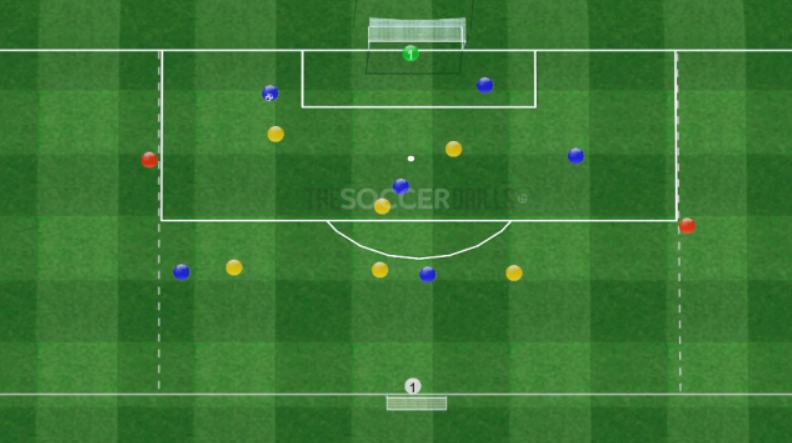
Offensive Stretching and Mixed Marking
To bring the ball from one side to other and then cross it, it is an offensive tactical objective. In this drill, with the double of box as the dimensions, we will make our team practice a lot of crossings which will allow them to improve both defense and attack.
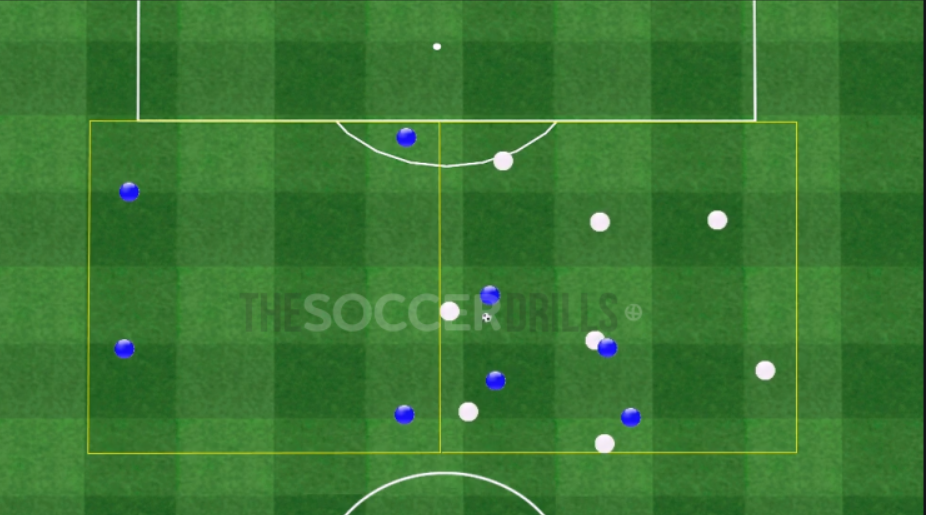
Speed of play + getting the ball away of recovery zone
At the beginning of the offensive transitions, just after getting the ball back, we should play quick and simple in order to bring the ball to the empty spaces. In this drill we will be faced to different situations similar to game situations.
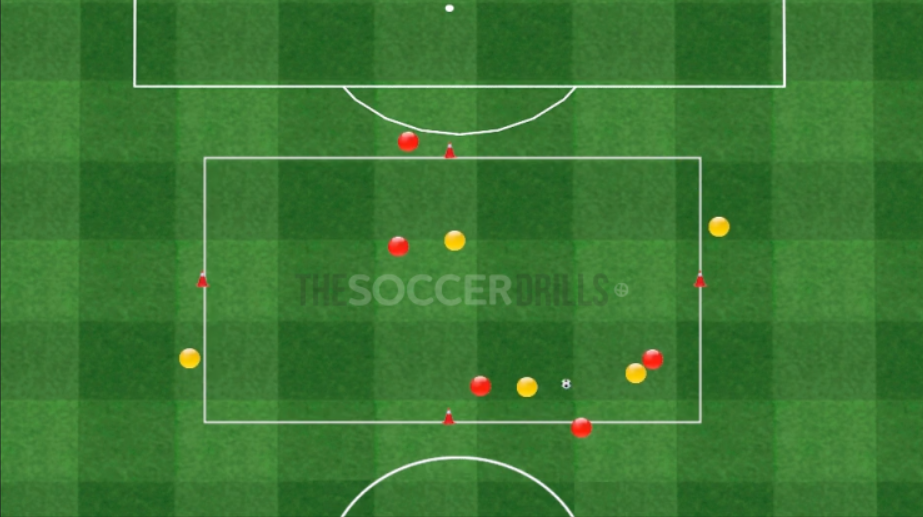
Retention + OFT and DT
The offensive football is for the players without the ball. It will be key for taking advantage, for creating goal chances and for advancing in the game, to make the right movement at the right time. In the case they do the movement late it will be really easy to defend. The rules of this drill will make your team do that movement at the right time.
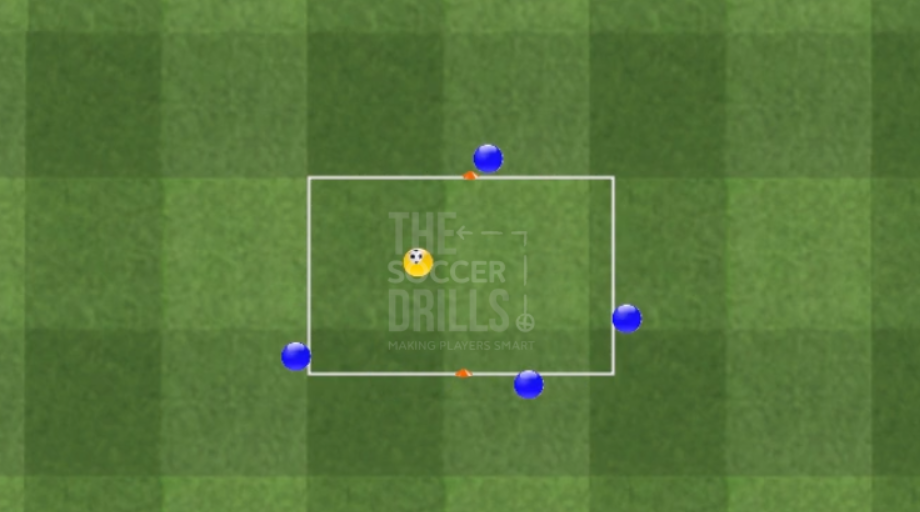
Rondo Offensive Delay 4v1
Since regularly, all the rondos are played in a high pace, is it possible to practice a tactical rondo in which you work both the change of pace and the high and low pace? It is definitely possible if we include a small modification in the structure so our players can make decisions about the pace of the game.