

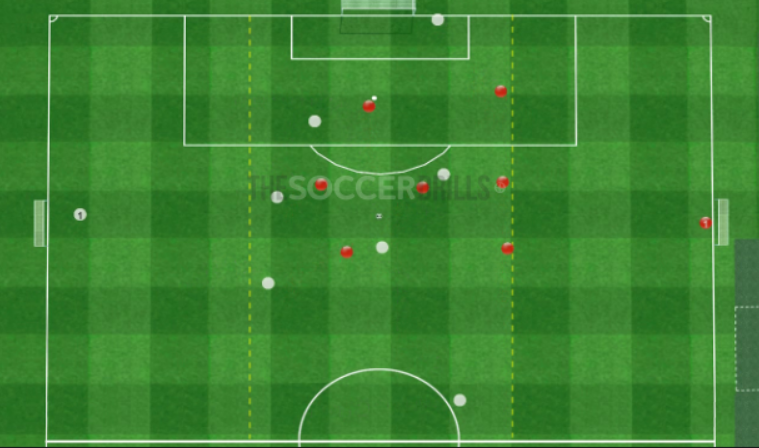
Counterattack Vs Dropping Back
There are defensive and offensive concepts which will be easy to practice in whole. A simple provoking rule will help your team practice these two concepts.
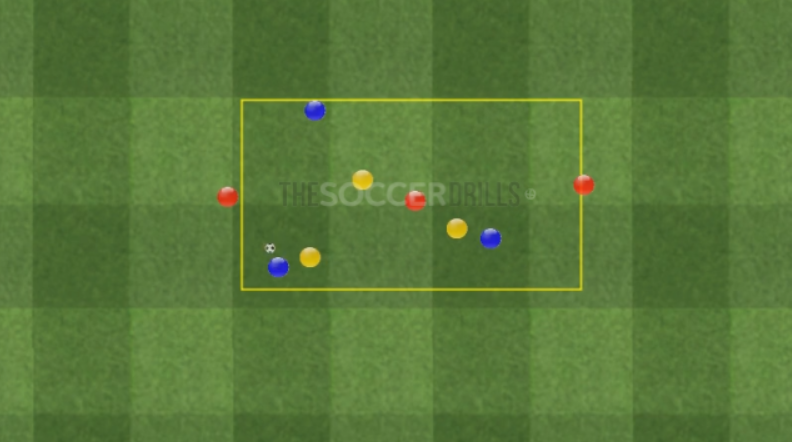
Penetrate lines, Improve offensive body orientation
Position game in order to advance on the field. You will practice the right movements in order to get the ball and progress on the field. At the same time, we will practice de defensive coordination and to get in shape defensively in the right way.
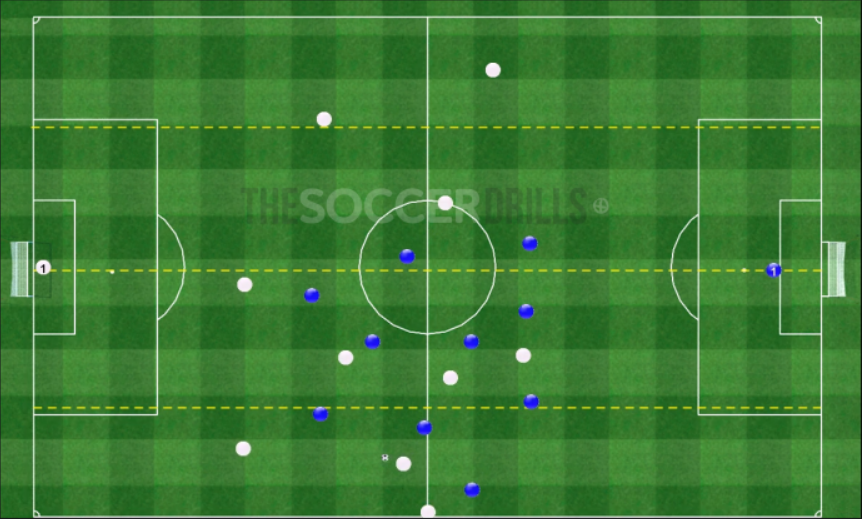
Conditioned Game: 8 Zones, Speed of Play and Change of Pace
The best way for advancing in the game is to not to repeat too many passes in the same zone. Just by setting up one rule and different zones we will be able to create the scenario where the players will discover, by themselves, the perfect offensive timing.
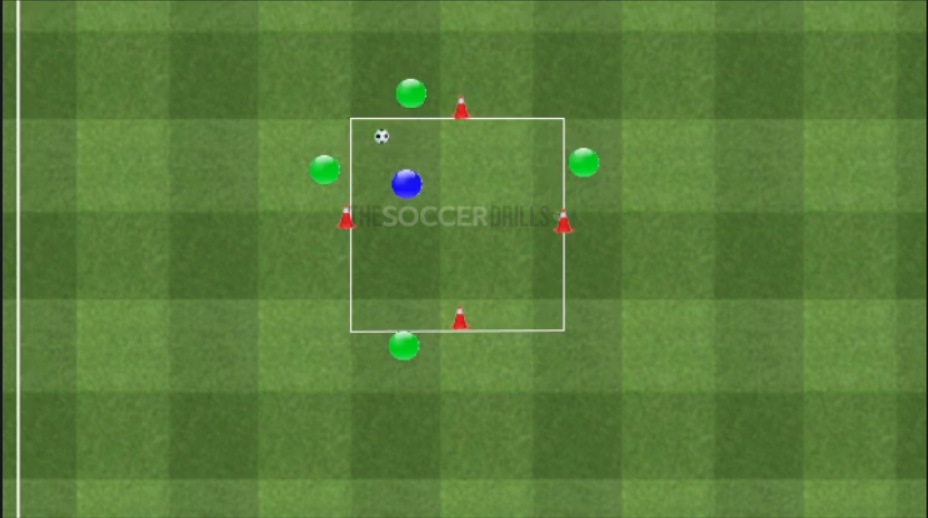
Rondo with it sides divided in half. Unlimited touches
If our players, in an offensive situation, are capable of deciding whether to speed the game up or to delay it, it is one of the keys for a smart offensive football.
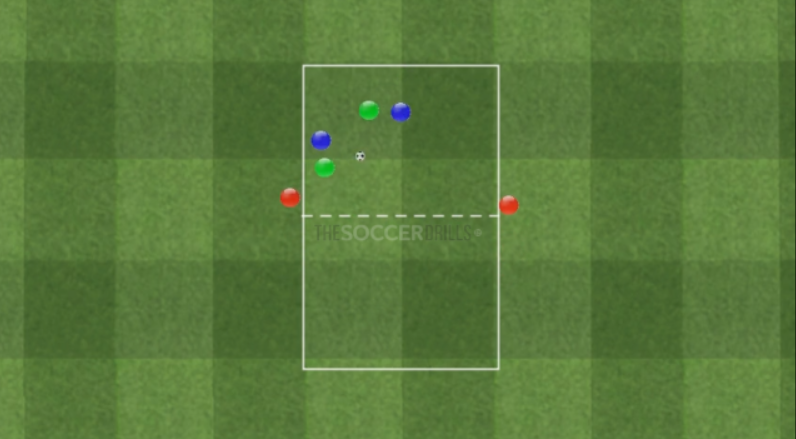
Give and Go, Coverages, 1v1 on distance
A partial structure which will require a lot of defensive and offensive tactical concepts, such as support, one-two’s, coverages, defensive exchange, press, body shape, defensive orientation, defensive and offensive timing etc.
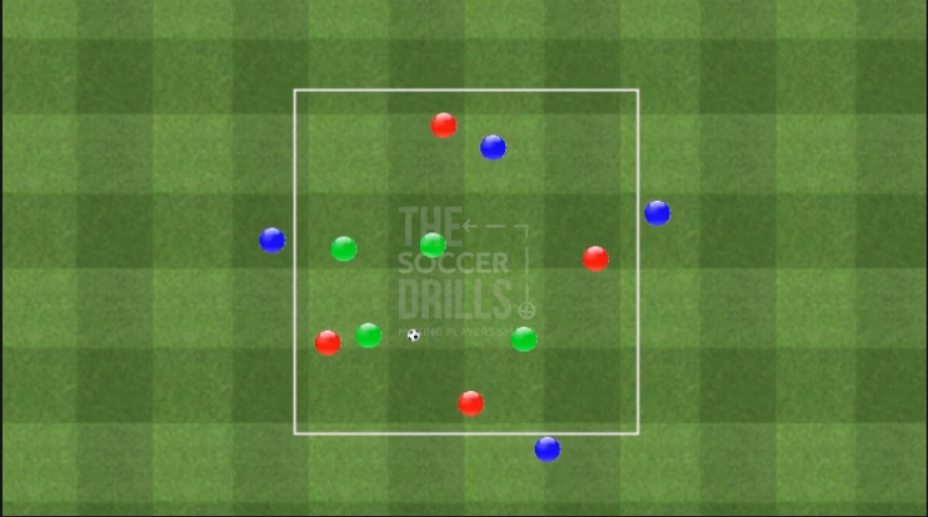
Transitions: Narrow down the spaces
The following situations are basic tactical and repeated situations in the game: The team that loses the ball has to close spaces, the team winning the ball back has to start winning width, opening up the field. You can practice this drill continuously.
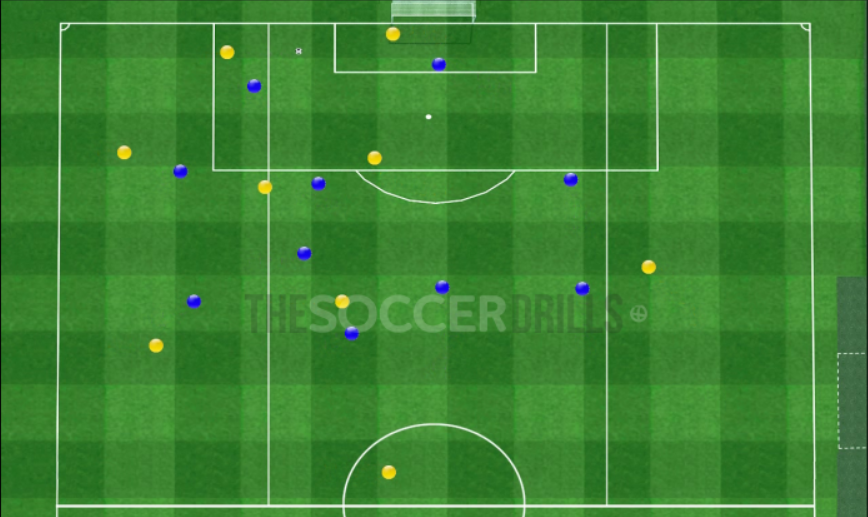
Field with 3 zones: ball circulation + stretching and stepping out of losing zone
Tactical decisions so the team in possession of the ball achieves width when attacking and become more compact defensively fixing distances for coverages and defensive support.
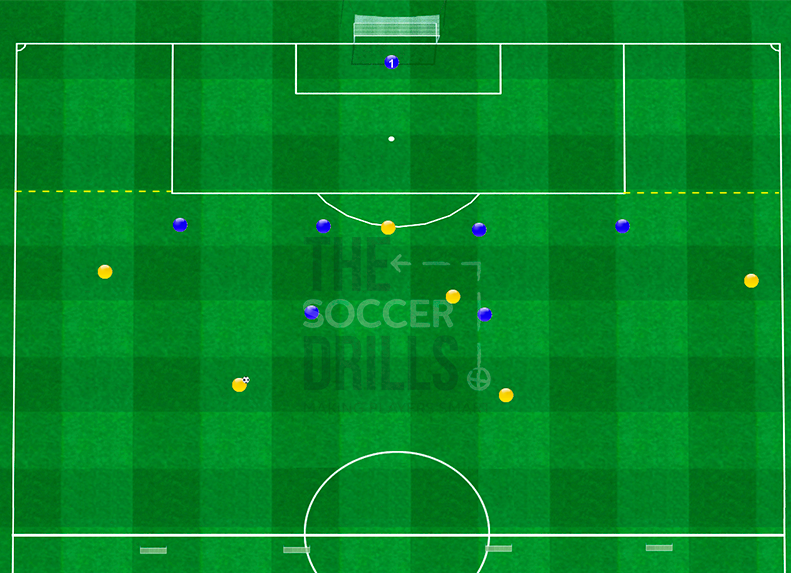
Defensive support and Shifting
To attack a team that has already came back in shape and uses the counterattack as their way of attacking. High level of learning in vigilances and in offensive and defensive transitions.
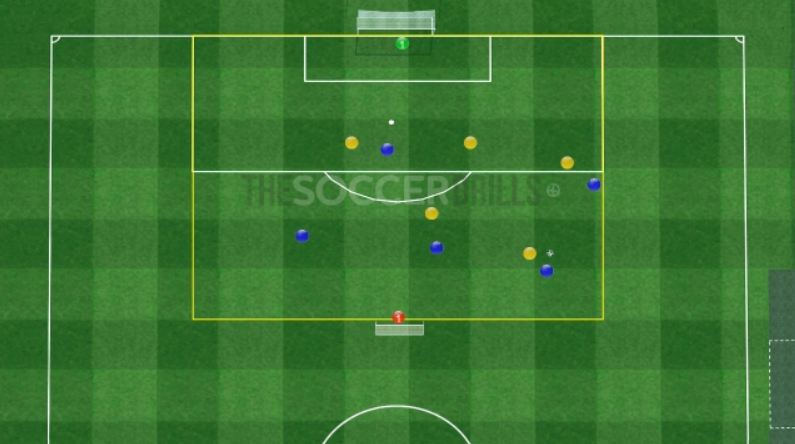
Finishing and Pressure after losing possession
A drill with the double of the box as the dimensions. We will put rules to reward the high press and the press after losing possession. At the same time we will work on how we would be able to overcome these two situations to achieve a good position for finishing.
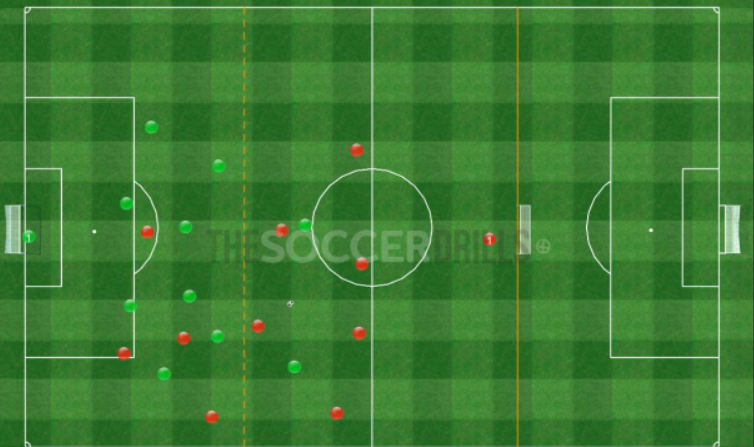
Conditioned Game: High Pressure and Pressure after losing possession Vs Dropping back and Counterattack
To learn how to defend with high pressure and, in the following play, to defend back in shape gives your team a lot of resources that you will need in different moments of the game