

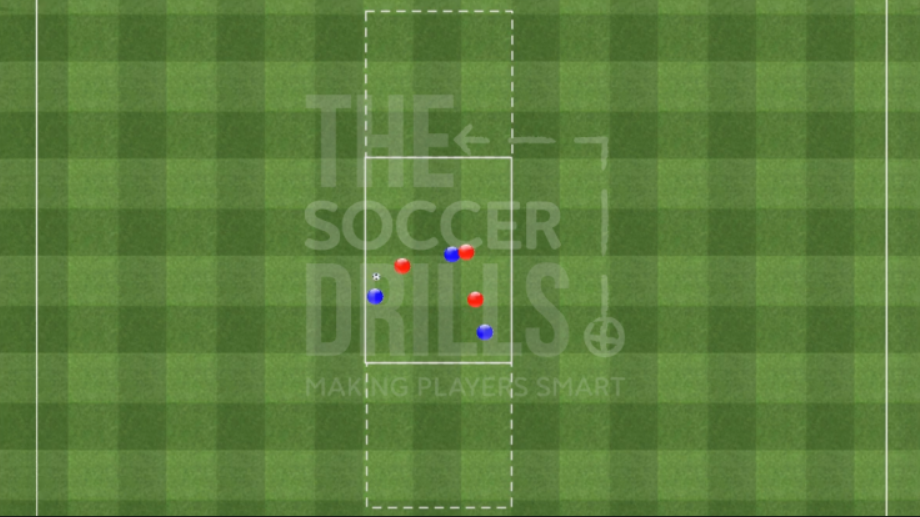
3v3 Positioned to find in depth passes
A partial structure to practice the defensive shape when facing a through ball. The attacking team will practice when the right moment is to make a run losing the markers.
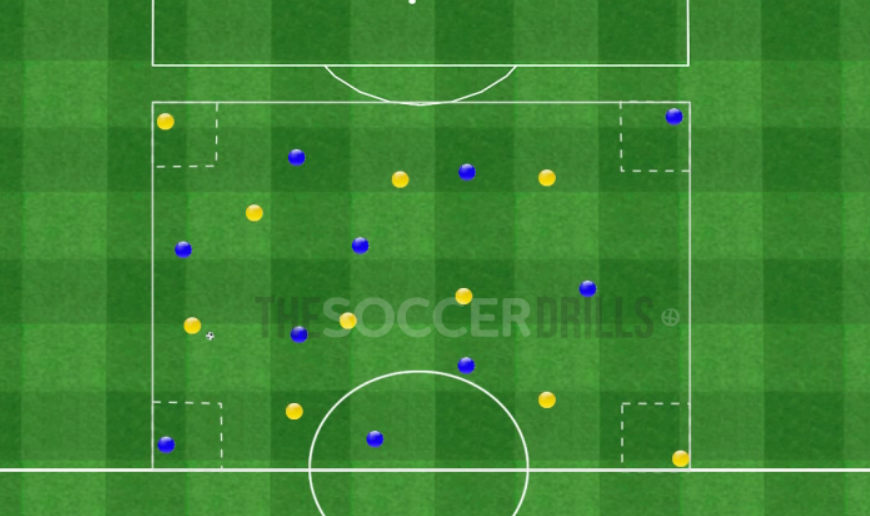
Support on the corners
A partial structure in which the player faces the ball when receiving is one of the best options to advance safely in the game representing a danger to the rivals.
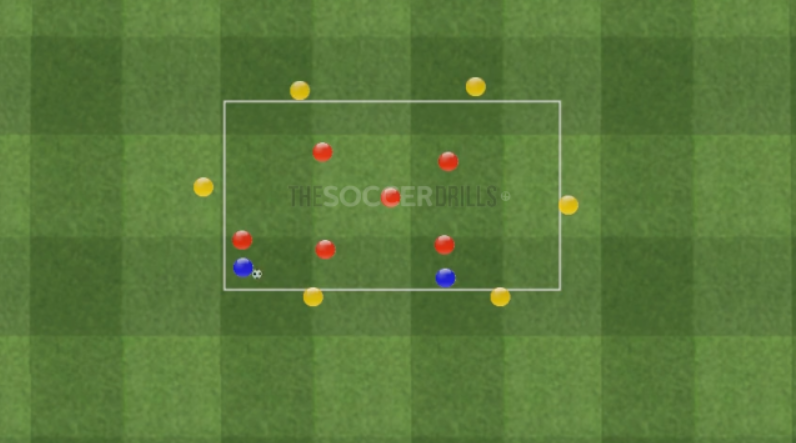
Play it with far players, Beat rival lines
A high demand tactical drill which will require your players a good interpretation of the free spaces, the teammates, the rivals, to play wide or play inside etc.
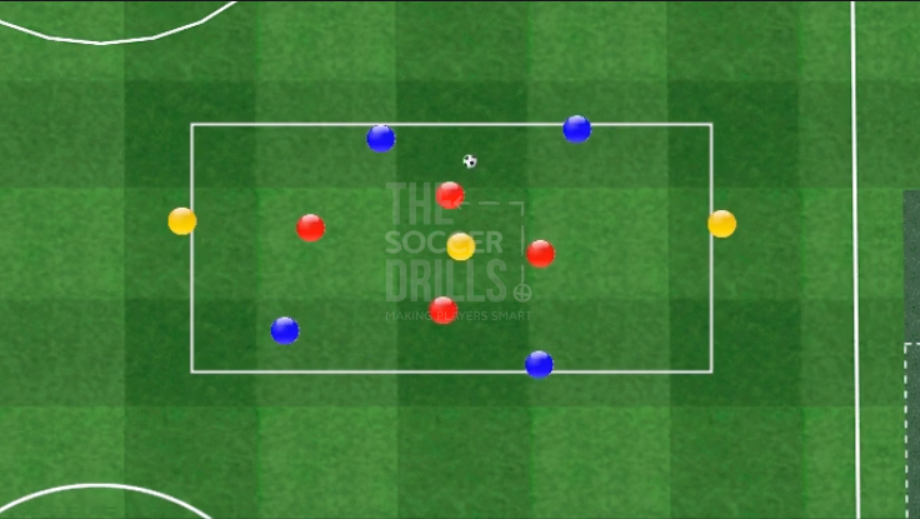
Positional Play – Third Man
It is a classical position drill which is used by different elite coaches like Klopp, Guardiola or Sarri. Quick decision making and little movements to create free passing lines at a higher speed than the real game. This will help your players to make the right decisions during the game.
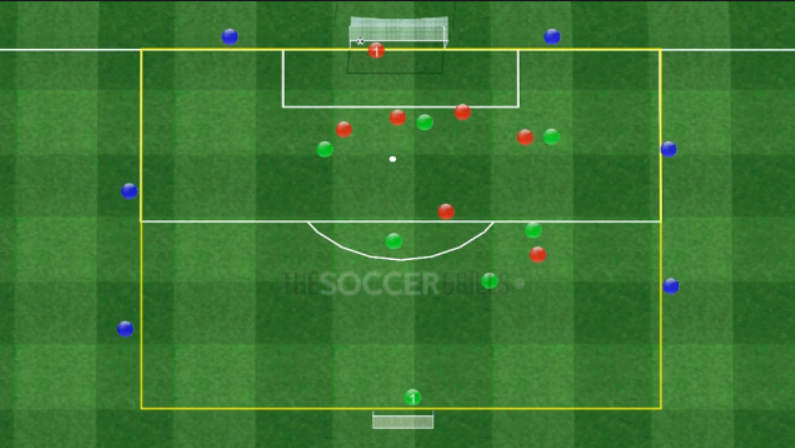
Defensive positioning
To defend in a coordinate way is key for the defensive success. With only a few simple references you will achieve right habits in your players such as defensive balance, a right distance between lines or the coordination to move forward or backwards.
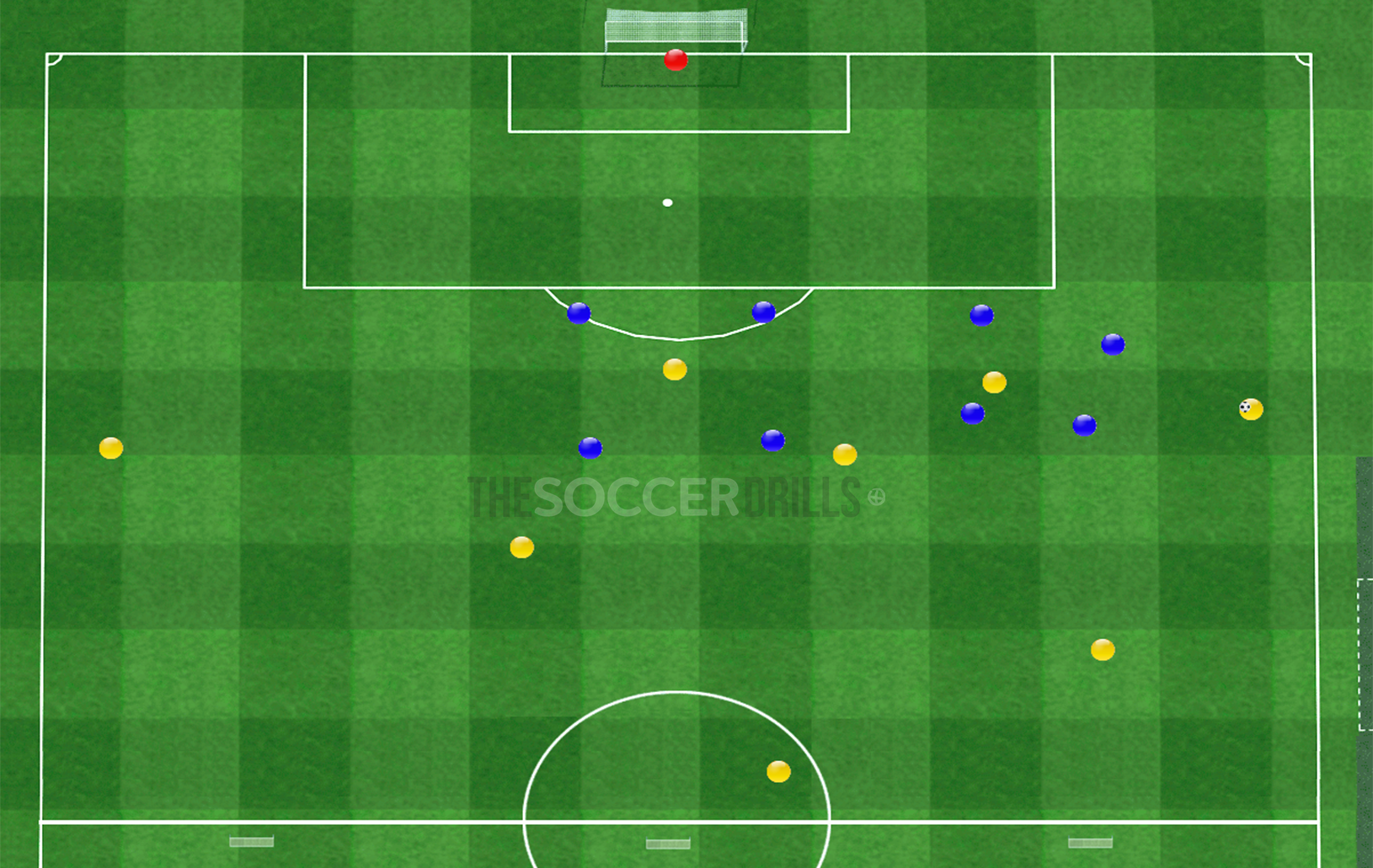
Defensive Line and Midfield
The fact of facing offensive freedom (continuous decision making) to two defensive lines will develop multiple defensive tactical concepts
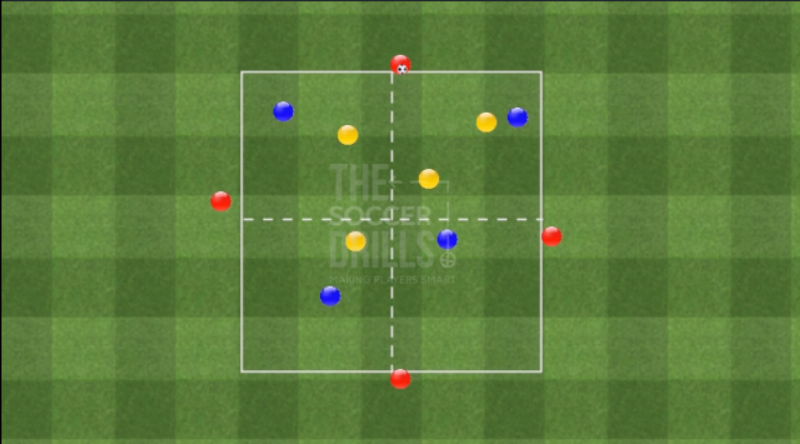
4 Squares – Positional Game
To occupy the field rationally is one of the main objectives of the coaches at early ages. This is a good introduction to the position game for different playing systems.
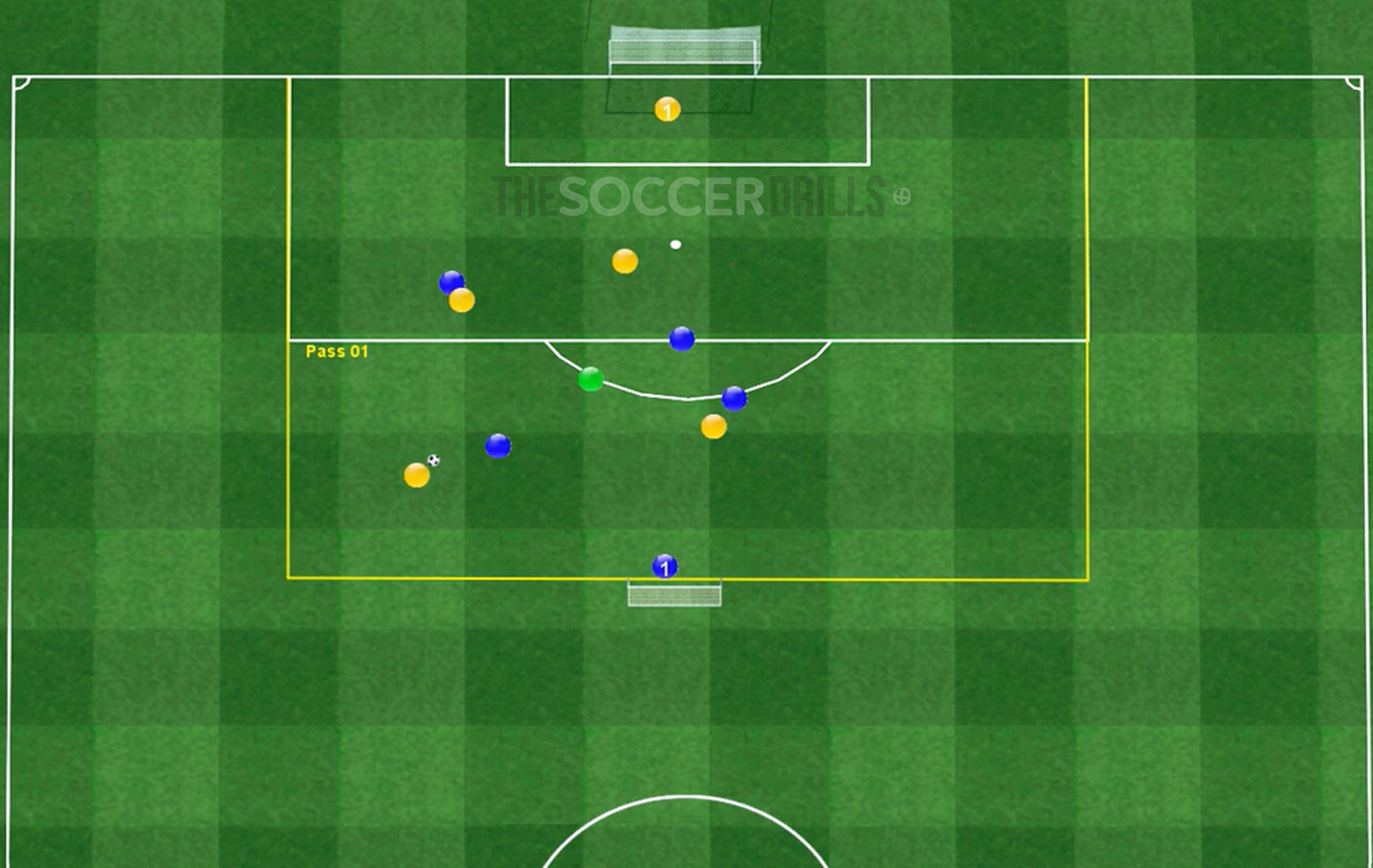
Third man and free man rondo
We adapt a rondo in order to practice the use of the third man and the free man as a microstructure to advance in the game.
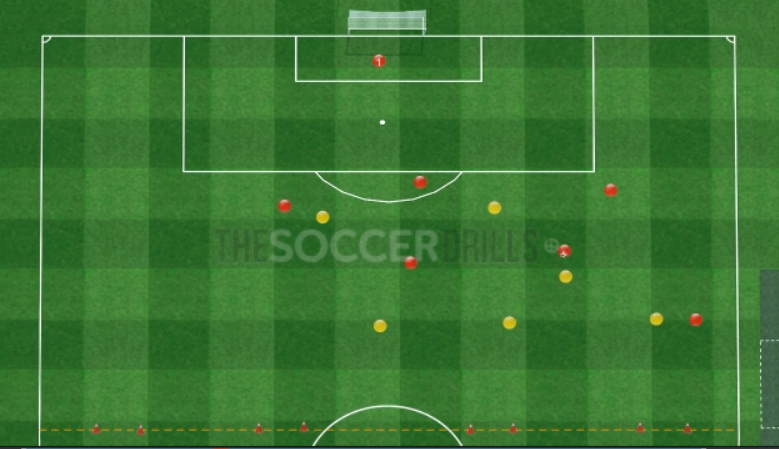
Overcoming High Pressure
To make a right high pressure or a good game building, and practice it in a game oriented similar situation is very possible.
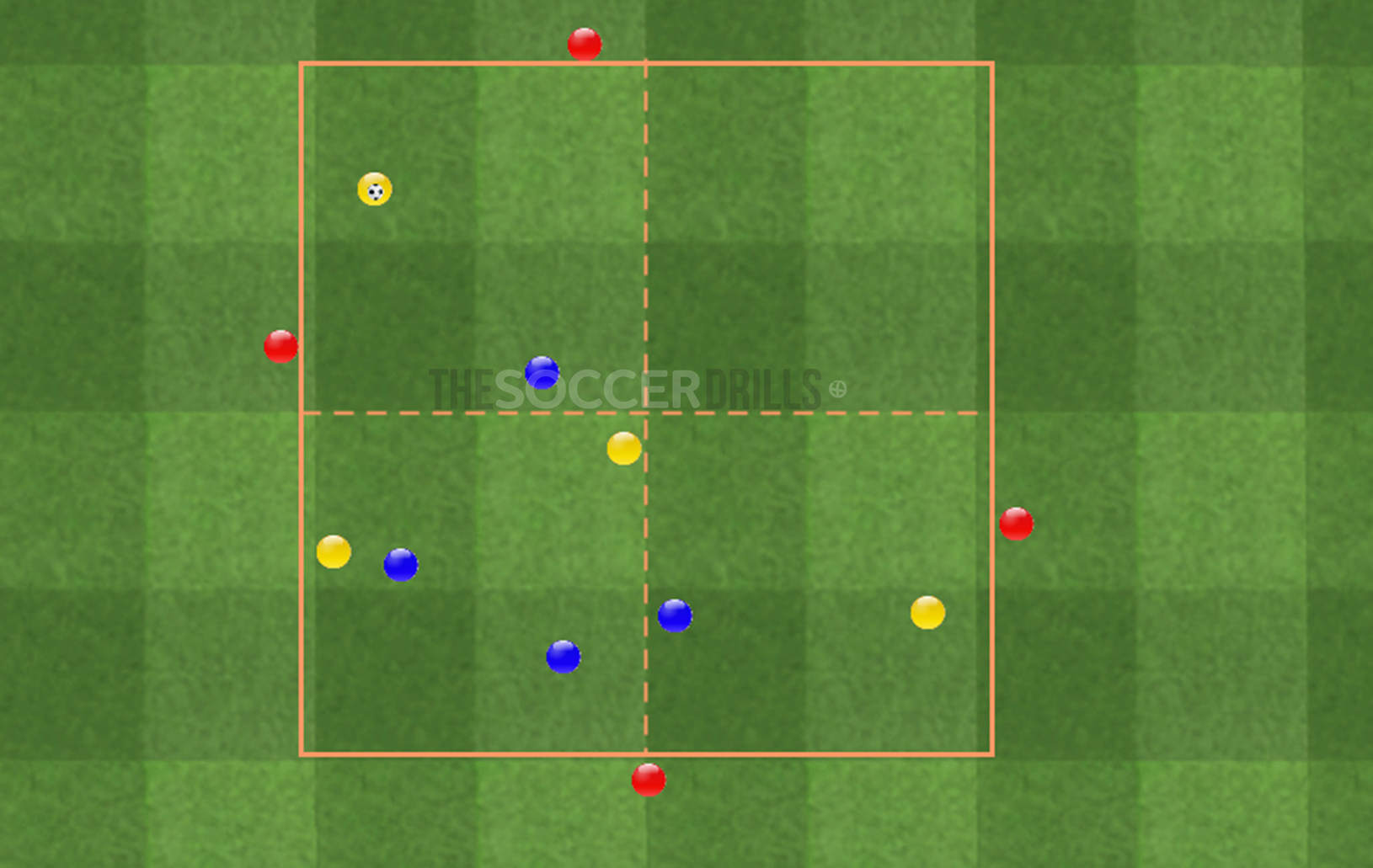
To accelerate or to delay the game, to dominate the change of pace of the game.
To control the game pace we need the players to dominate the offensive tactical principals of delaying, change of pace etc.