

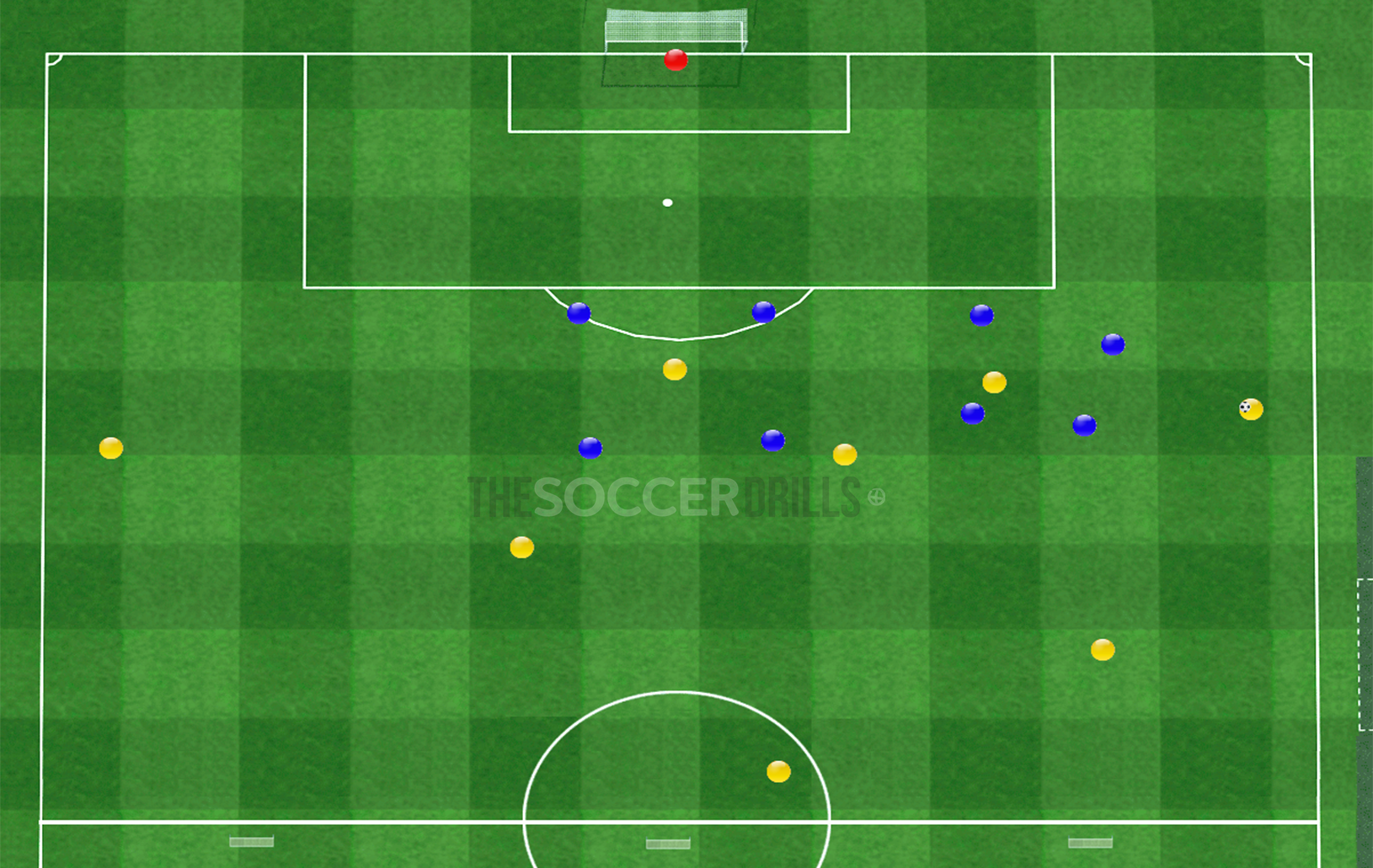
Defensive Line and Midfield
The fact of facing offensive freedom (continuous decision making) to two defensive lines will develop multiple defensive tactical concepts
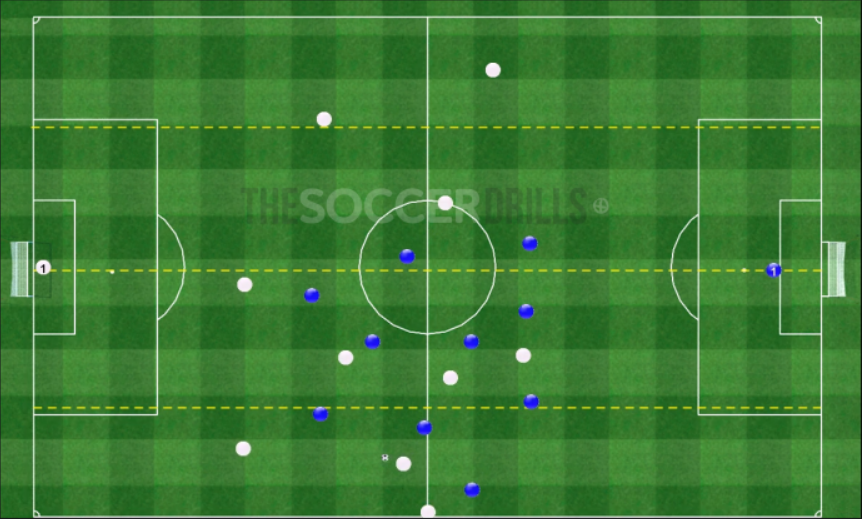
Conditioned Game: 8 Zones, Speed of Play and Change of Pace
The best way for advancing in the game is to not to repeat too many passes in the same zone. Just by setting up one rule and different zones we will be able to create the scenario where the players will discover, by themselves, the perfect offensive timing.
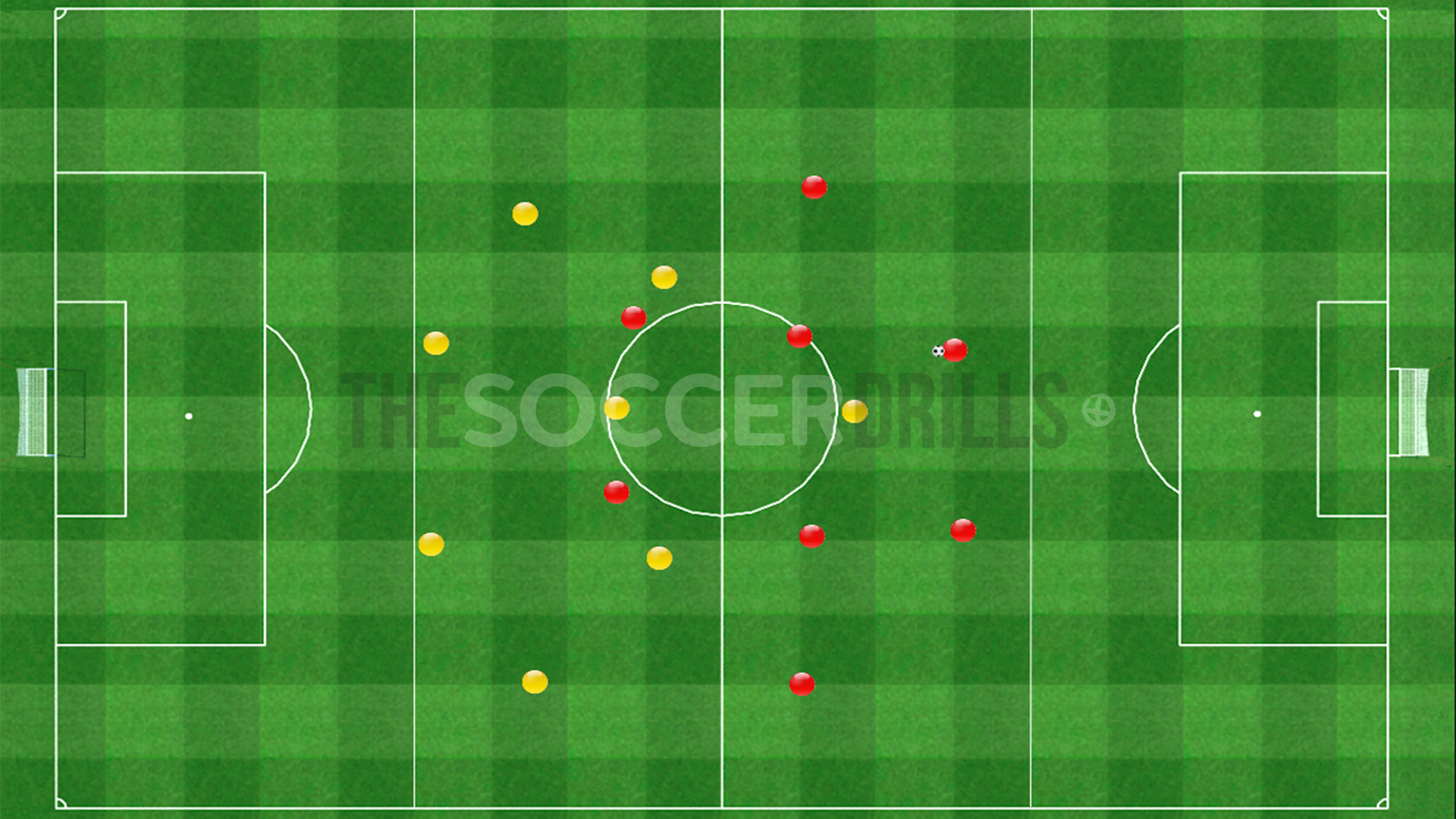
Zonal Defense Vs Overcoming Lines
The objective is to move from the creation zone to the finishing zone. To avoid that the rivals could send the ball to your defenders back.
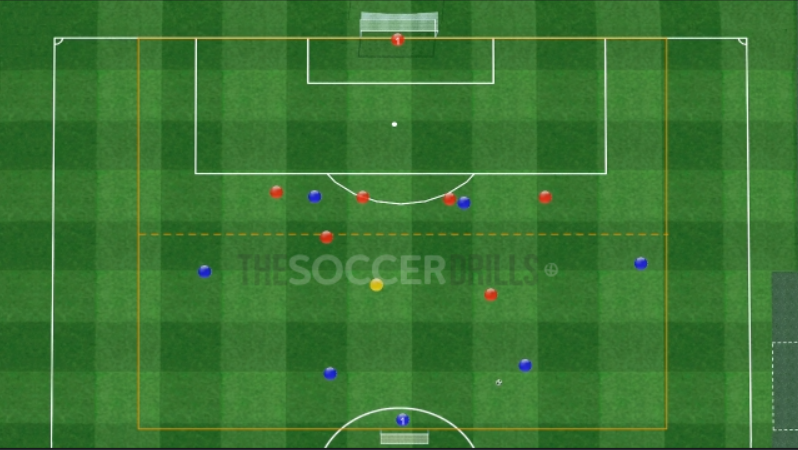
Numerical Advantage and Zonal Marking
A partial structure with a specific work for the defensive players. What we used to do with boring and ineffective attacking actions against the defenders, we do it now with a useful and attractive game for the players.
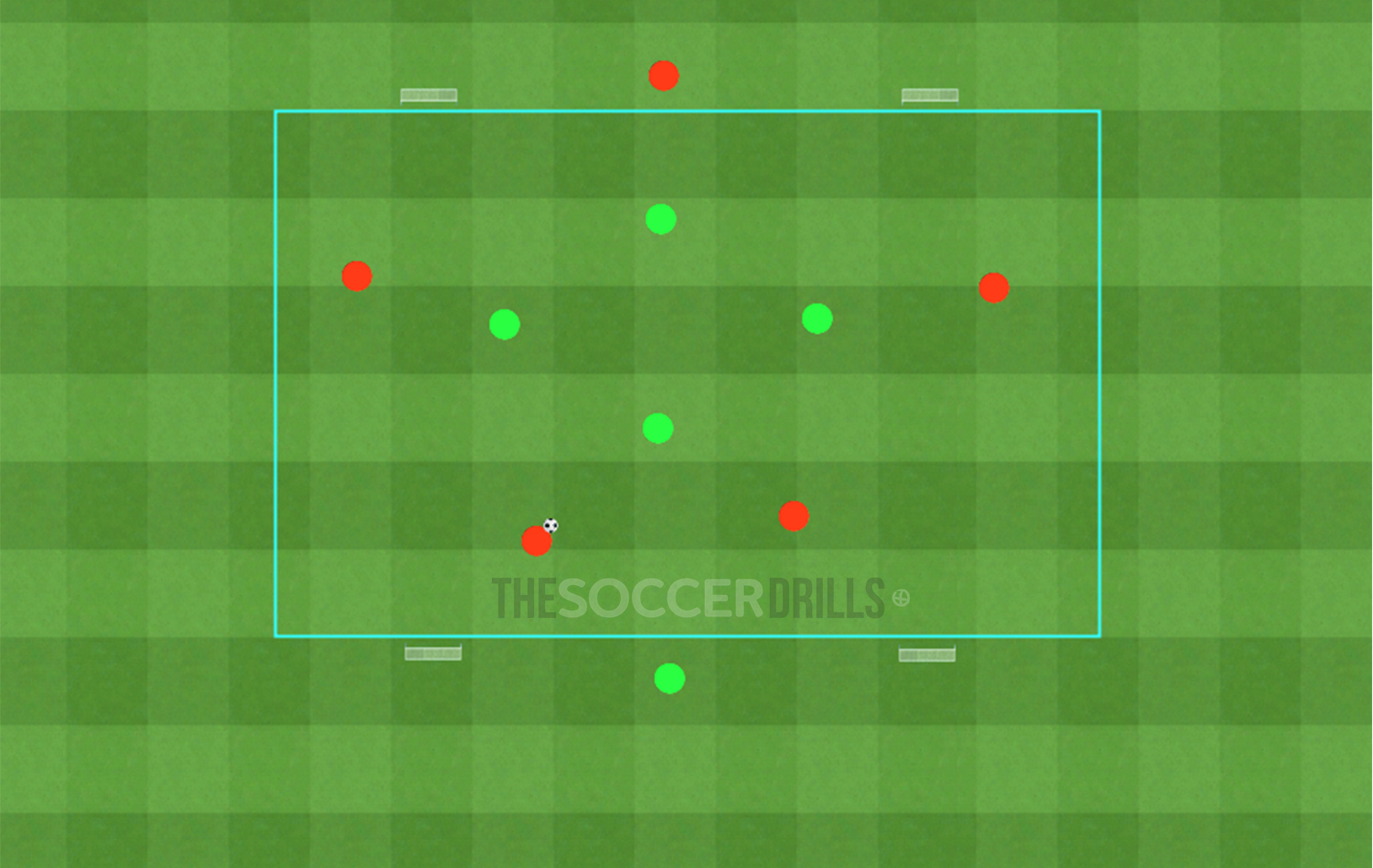
Small sided game – Third man
Tactical drill oriented to use, when attacking, by the third man and useful to practice the way of defending it.
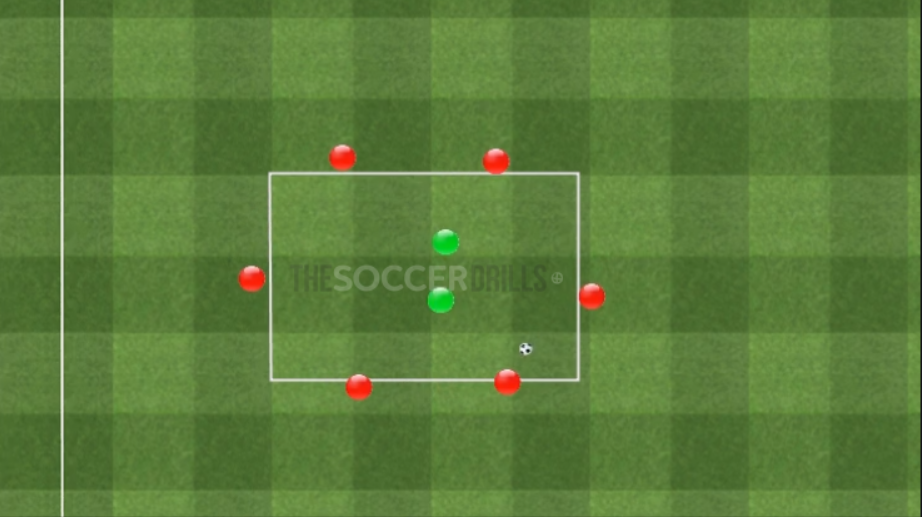
Rondo: draw in rivals
In this drill, the offensive players will win two points if they repeat the same pass in order to attract the defenders first so they can pass it then to the free farther players. The defenders will have to be coordinated to do the pressing choosing the right moment to do it. These tactical momentums are key and they will appear many times in the real game.
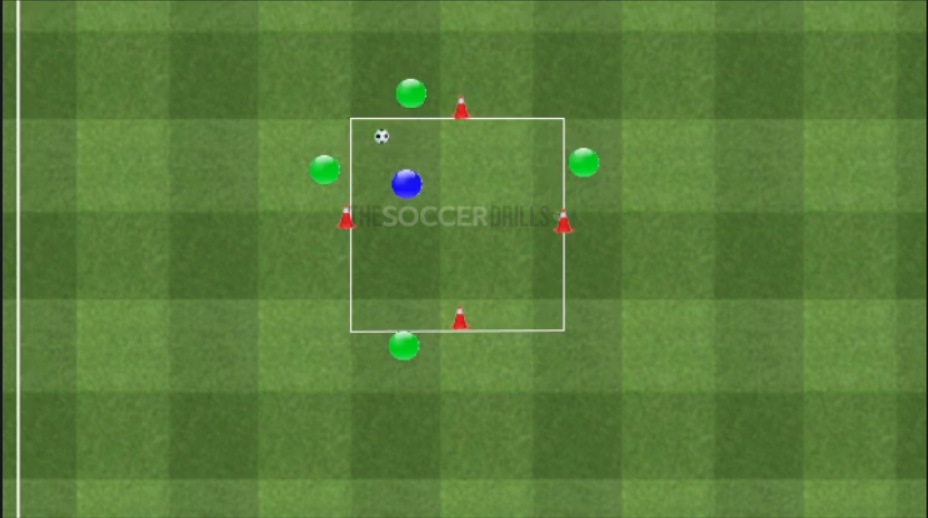
Rondo with it sides divided in half. Unlimited touches
If our players, in an offensive situation, are capable of deciding whether to speed the game up or to delay it, it is one of the keys for a smart offensive football.
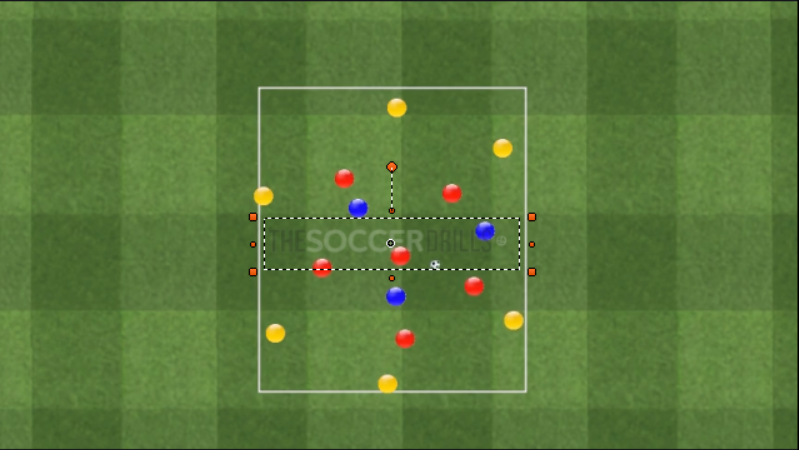
6v6+ 3 neutrals – Positional Game – Specific for MCs
Decision making mental speed. Sometimes, the only thing we need to create a good offensive play is to move one meter or to turn 45 degrees. This is a drill in small spaces with a high tactical demand and a lot of decisions to make.
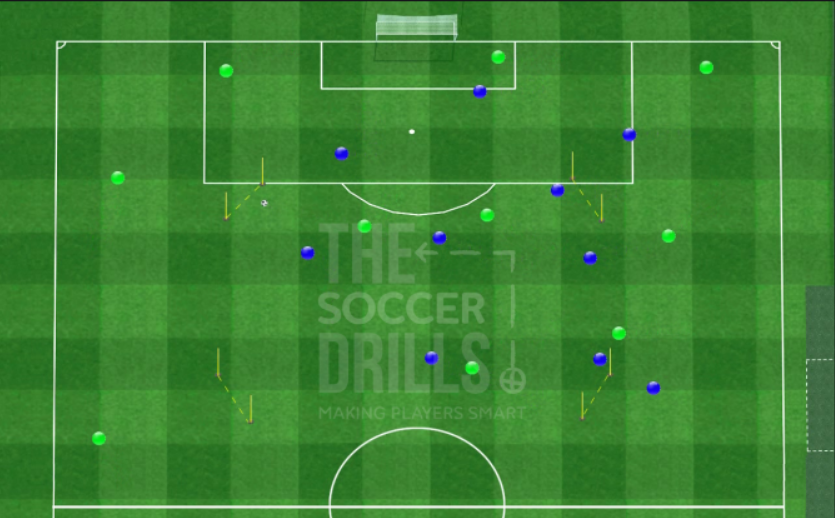
4 goals on the inside
To know when is the right moment to play the ball into the middle is something key for our players. To make them understand it, we will practice the ball circulation, the game speed and the change of pace. We will practice also how to get back in shape when we defend and be wide when we attack. Those are two basic aspect of the offensive and defensive transitions.
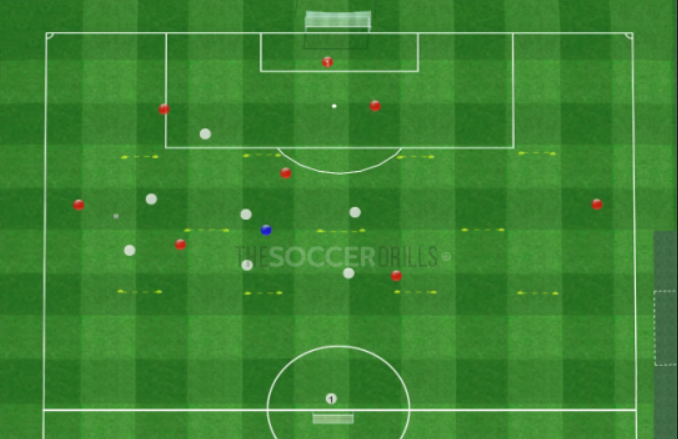
Ball Circulation and changing the pace
You will make your player achieve a higher tactical intelligence level by making him decide whether to progress with the ball or retain the ball looking for a better option to progress.