

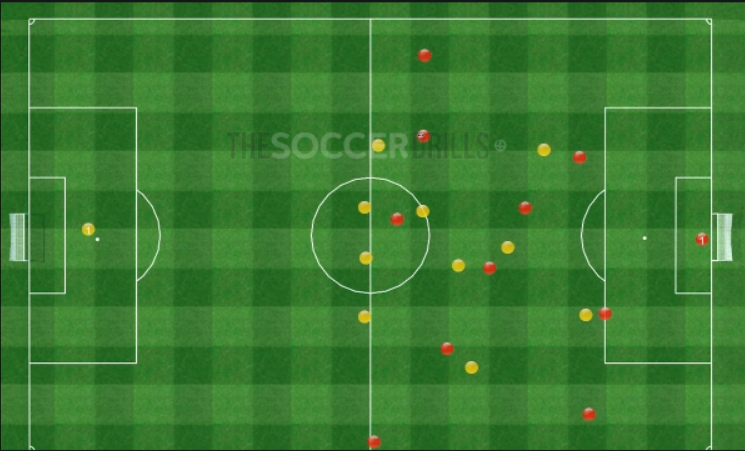
Total Pressure Vs Building up
We need some confidence in order to start a combinative building attack. To improve it, we will need to make right and wrong decisions and learn from them. In this easy drill we will be able to improve that confidence.
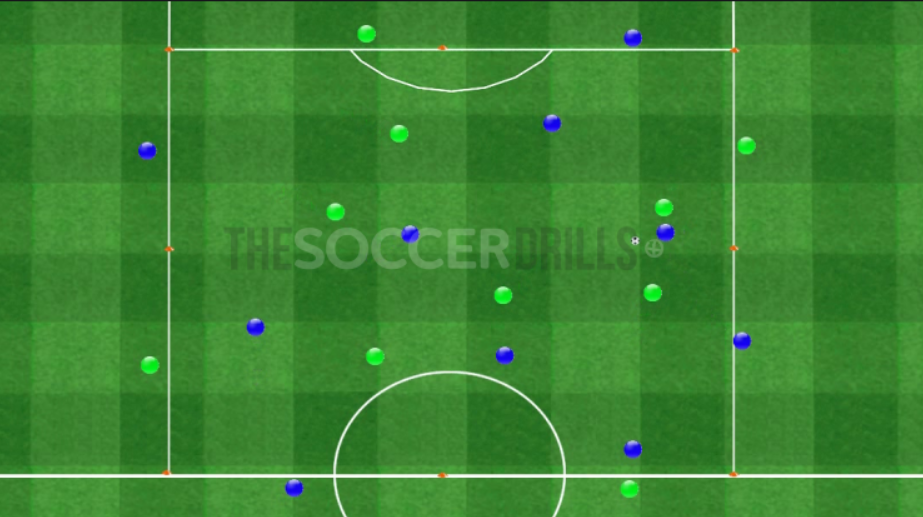
Conditioned Game: Offensive Transition and Stretching
When in an offensive transition, whether to progress quickly or to look for support to start a combinative attack is an important choice that has to be practiced.
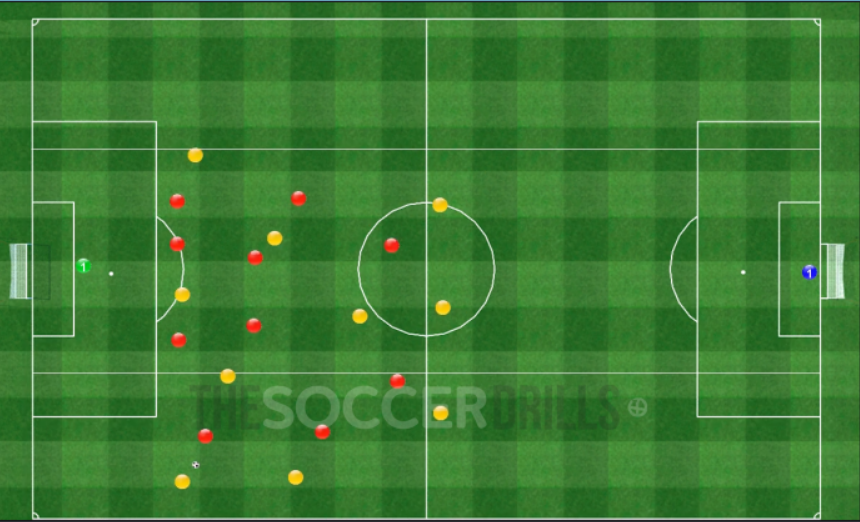
Attacking Choice: on the sides or from within
The choice between keeping the ball or switching the play together with a change of pace to progress through the opponent half will make your players smarter when it comes to tactics.
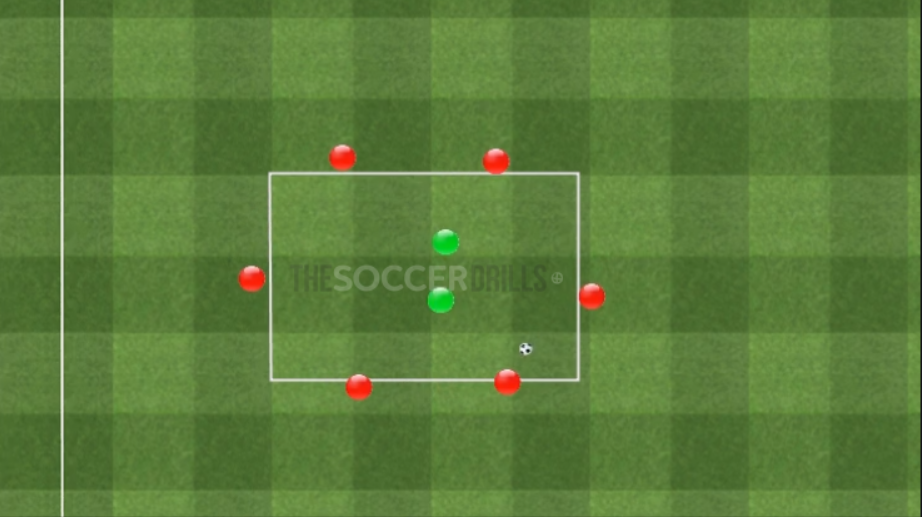
Rondo: draw in rivals
In this drill, the offensive players will win two points if they repeat the same pass in order to attract the defenders first so they can pass it then to the free farther players. The defenders will have to be coordinated to do the pressing choosing the right moment to do it. These tactical momentums are key and they will appear many times in the real game.
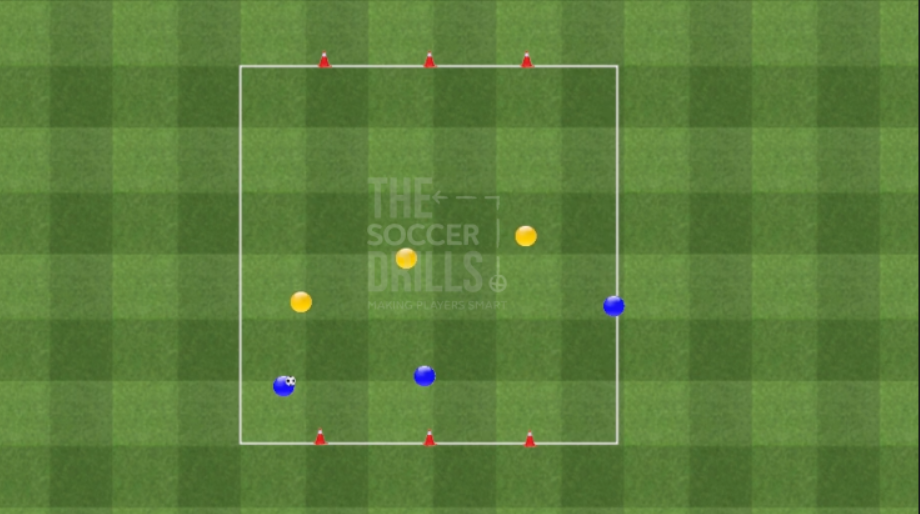
Small Sided Game Passing Lanes
Small sided tactical game to practice the concept of “passing lines”, both the creation of them and to defend them, including a bit of pressing work in order to improve the precision when finishing.
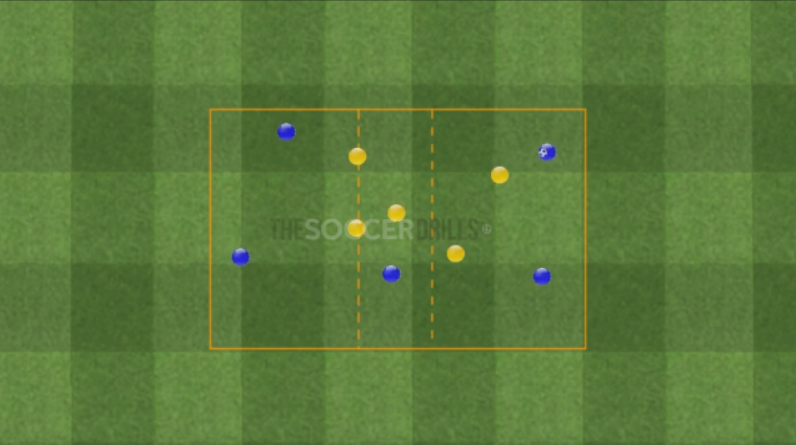
Create and Defend Passing Lanes
To defend in a staggered way, is going to make your players not only practice coverages and defensive support but also, offensively, you are going to make your players go through passing lines. This is a big formative challenge that you will be able to achieve.
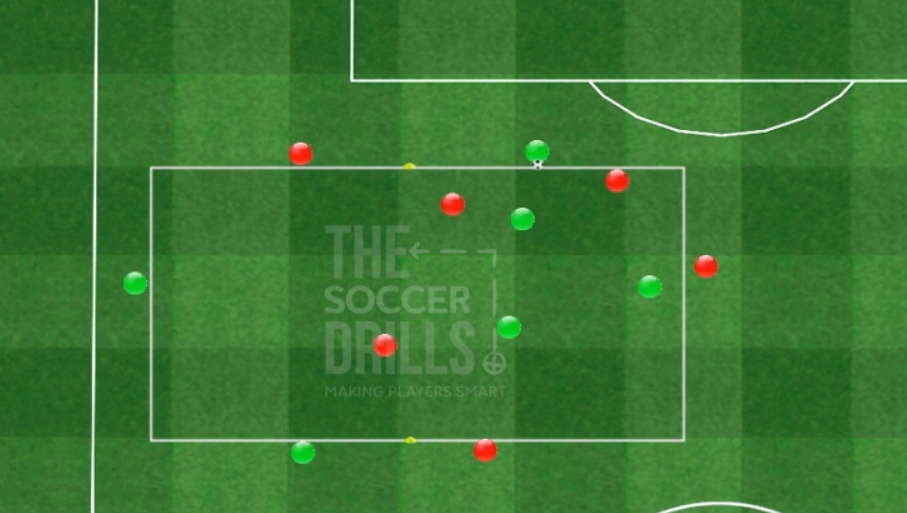
Reducir espacio, jugar a un toque
The creation of triangles and diamonds to attack is an obsession for some coaches (Guardiola, Nagelsmann…), here you can find a partial structure that will help your players to encourage that positioning.
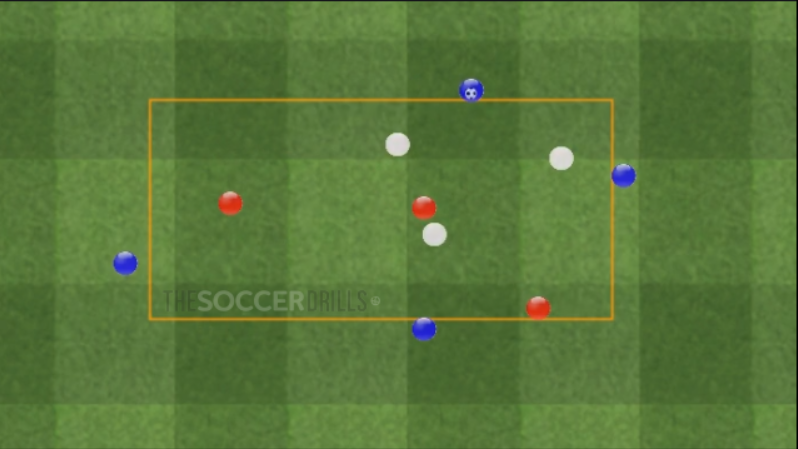
Multi-Offensive Work
A very complete tactical drill both at an offensive and defensive level. The players have to make a lot of decisions in a very limited time.
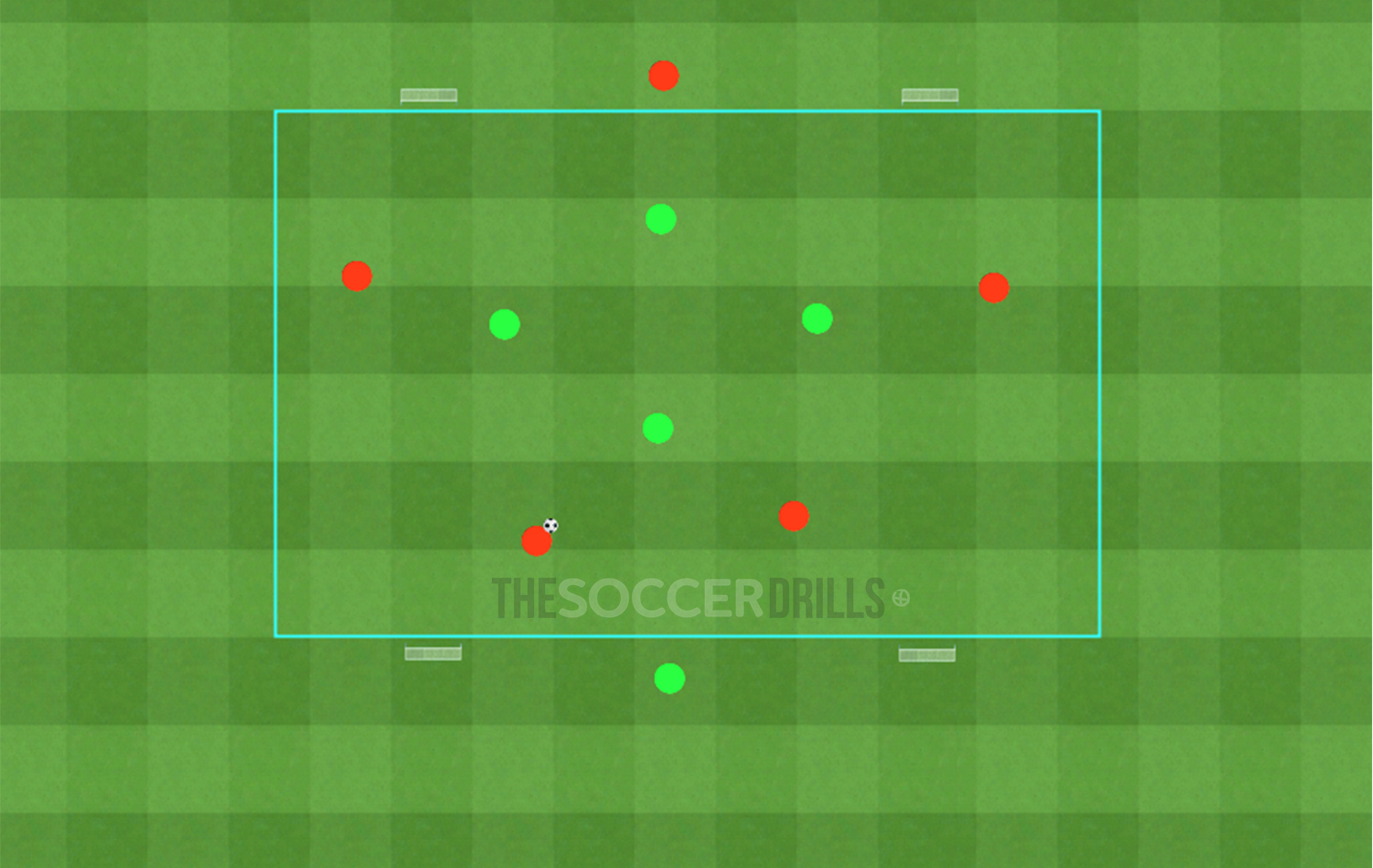
Small sided game – Third man
Tactical drill oriented to use, when attacking, by the third man and useful to practice the way of defending it.
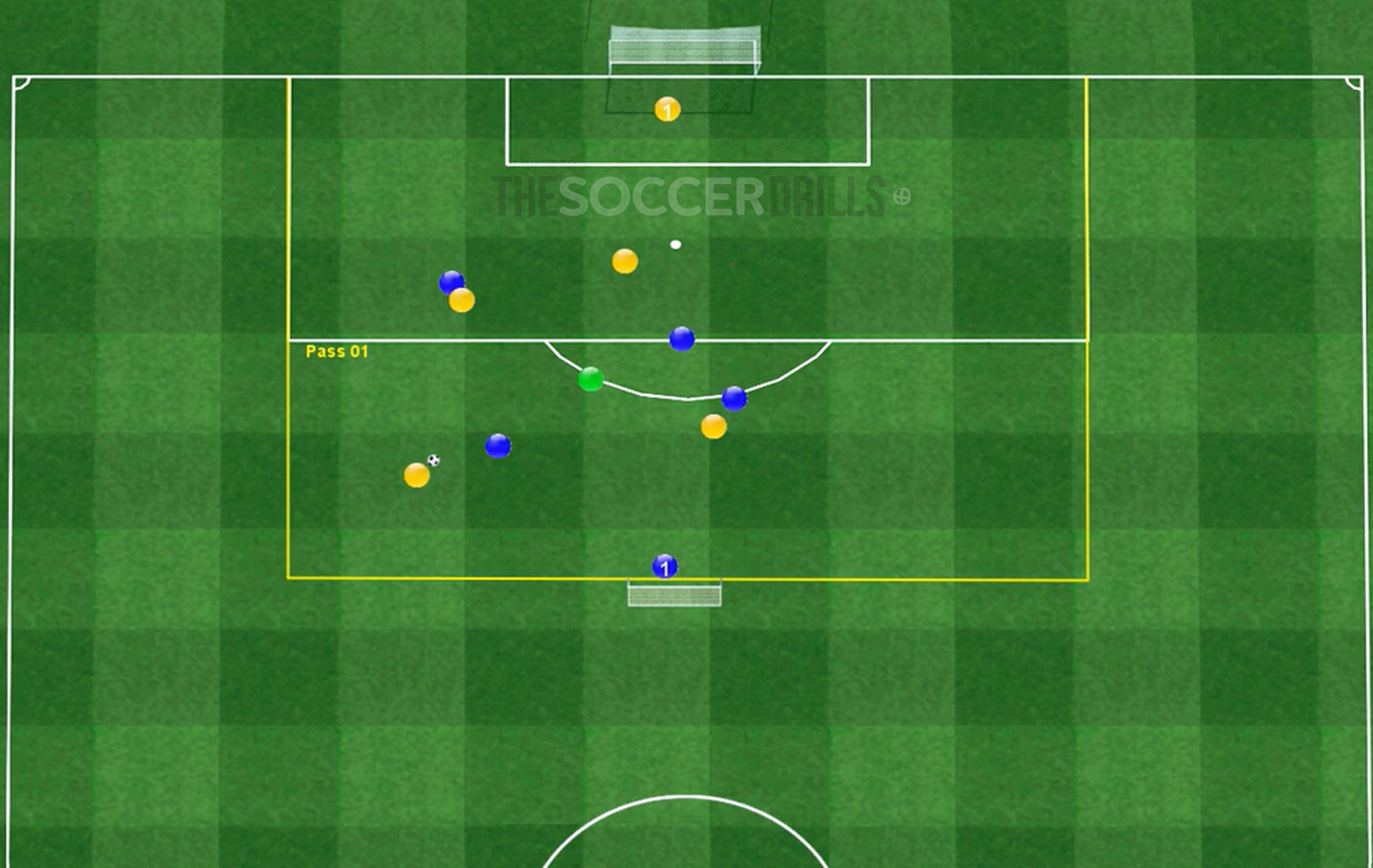
Third man and free man rondo
We adapt a rondo in order to practice the use of the third man and the free man as a microstructure to advance in the game.